

 English
 русский

How to Maintain Your 40HP Outboard Engine for Long Life
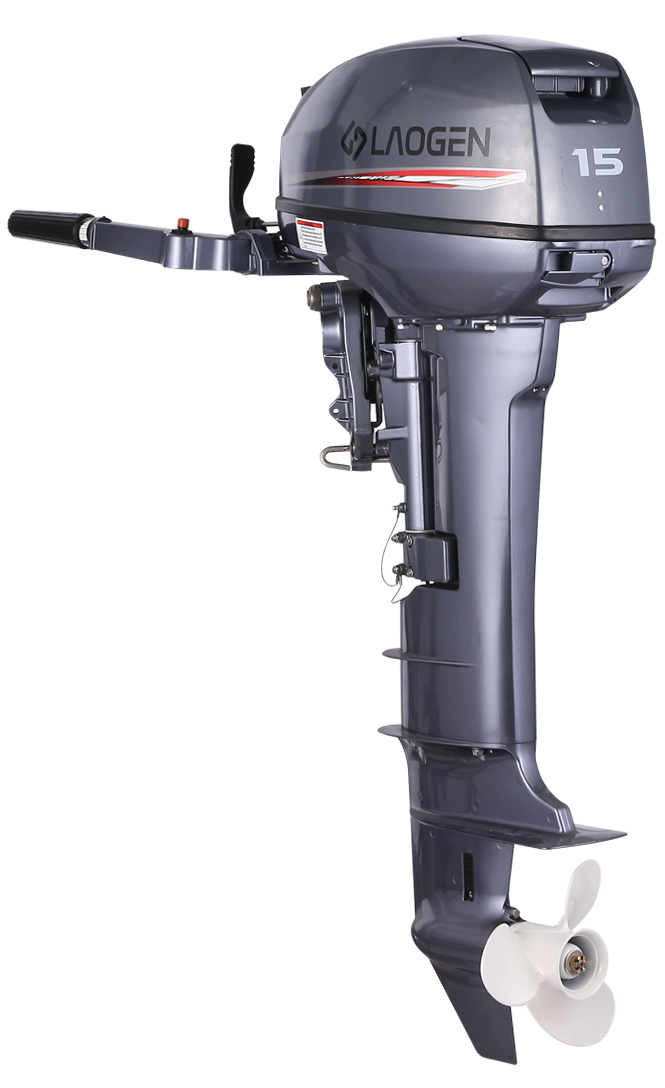
Regular maintenance plays an important role in keeping a 40HP Outboard Engine operating smoothly throughout different boating seasons. Whether the engine is used for fishing boats, recreational vessels, or utility applications, consistent care can help reduce unexpected mechanical issues and support stable performance on the water.
Marine engines operate in environments that involve moisture, salt exposure, vibration, and changing weather conditions. Because of this, routine inspection and preventive maintenance are important parts of long-term engine ownership.
Checking Engine Oil and Lubrication
Lubrication is necessary for reducing internal friction between moving engine components. Over time, engine oil may collect dirt, moisture, and combustion residue, which can affect overall engine condition.
Boat owners often inspect:
- Engine oil level
- Oil color and condition
- Signs of contamination
- Oil filter condition
Replacing engine oil according to maintenance schedules helps support smoother operation. Using suitable marine lubricants may also help protect internal engine components during extended operation.
For engines that operate frequently in warm weather or heavy-load conditions, oil inspections may become even more important.
Maintaining the Cooling System
The cooling system helps control engine temperature while the boat is operating. If cooling passages become blocked by debris, sand, or salt deposits, water circulation may be reduced.
Many boat owners flush the engine after each saltwater trip to remove residue from the cooling system. This simple maintenance step may help reduce corrosion and improve water flow.
Important cooling system inspections include:
- Water pump condition
- Impeller wear
- Cooling water flow
- Signs of overheating
If engine temperature rises too high, internal components may experience additional wear over time.
Fuel System Care
Clean fuel supports stable engine performance and smoother combustion. Fuel contamination can create starting difficulties, rough idle operation, and inconsistent acceleration.
Routine fuel system maintenance often includes:
- Replacing fuel filters
- Inspecting fuel lines
- Checking for water contamination
- Cleaning fuel tanks when necessary
Fuel stored for long periods may gradually lose quality, especially during seasonal storage. Some boat owners use fuel stabilizers before long storage periods to help maintain fuel condition.
Protecting fuel tanks from moisture exposure may also help reduce internal corrosion risks.
Battery and Electrical System Inspection
The electrical system supports engine starting and powers various onboard functions. Moisture exposure and vibration can gradually affect wiring connections and battery performance.
Regular inspections may include:
- Battery charge level
- Terminal corrosion
- Wiring condition
- Electrical connection stability
Cleaning battery terminals and securing loose wiring can help reduce electrical interruptions during engine operation.
Many boat owners also inspect navigation lights, ignition switches, and charging systems before boating season begins.
Propeller and External Component Maintenance
The propeller directly affects boat movement and engine efficiency. Damage caused by underwater debris or shallow water impact may reduce performance and increase vibration.
Routine propeller inspections may involve:
- Checking for bent blades
- Removing fishing line
- Looking for surface cracks
- Inspecting the propeller shaft area
External engine surfaces should also be cleaned regularly to reduce dirt accumulation and moisture-related corrosion.
Protective marine coatings are sometimes used to help maintain external metal surfaces in coastal environments.
Preparing for Seasonal Storage
When boats remain unused for extended periods, proper storage preparation becomes important. Engines stored without maintenance may develop fuel system problems, corrosion, or electrical issues before the next boating season.
Storage preparation often includes:
- Flushing the cooling system
- Stabilizing fuel
- Disconnecting the battery
- Cleaning external surfaces
- Covering the engine properly
Dry storage environments may help reduce long-term moisture exposure and surface corrosion.
Before returning the engine to operation, many boat owners perform a complete inspection to ensure systems are functioning normally.
Monitoring Engine Performance
Changes in engine behavior can sometimes indicate developing mechanical problems. Boat operators often pay attention to:
- Unusual vibration
- Starting difficulty
- Increased smoke
- Reduced acceleration
- Irregular engine noise
Identifying these issues early may help reduce the risk of larger repairs later.
Keeping maintenance records can also help track service schedules and replacement intervals for different engine components.
Consistent maintenance helps support stable operation for a 40HP outboard engine across different boating conditions. Oil inspections, cooling system care, fuel maintenance, and seasonal storage preparation all contribute to long-term engine condition. Regular attention to small maintenance tasks can help boat owners maintain smoother operation and reduce interruptions during boating activities.

Get in touch

- Phone: +86-13606682703
- Email: [email protected]
- Tel:
- Add: Lingang Industrial Park, Jiantiao Town, Sanmen County, Taizhou City, Zhejiang Province, China.


