

 English
 русский

Top Troubleshooting Tips for a 40HP Outboard Engine That Shakes
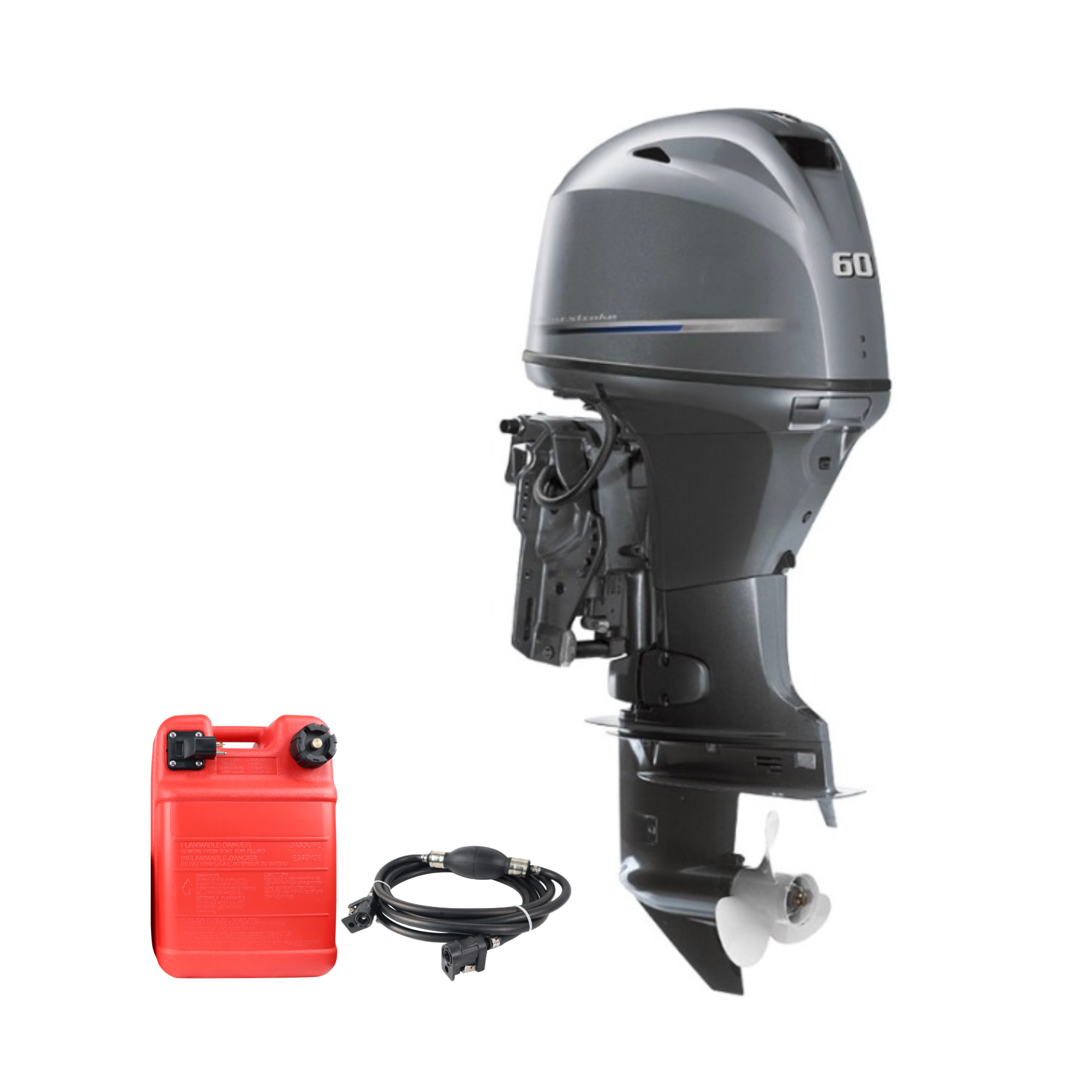
Engine vibration is a common concern among boat owners, especially during long periods of operation on the water. A shaking 40HP Outboard Engine may affect handling comfort, fuel efficiency, and overall boating performance. In some situations, small vibrations can develop into larger mechanical problems if they are ignored for too long.
Understanding the possible causes of engine shaking can help boat operators identify issues earlier and maintain smoother engine operation during fishing trips, recreational boating, or daily marine activities.
Loose Engine Mounting Components
One of the common causes of vibration is loose mounting hardware. Outboard engines are exposed to constant movement, water resistance, and engine force while operating. Over time, mounting bolts and brackets may gradually loosen due to repeated vibration.
When the engine is not securely attached to the boat transom, shaking may become more noticeable during acceleration or rough water conditions. Boat owners often inspect mounting points regularly to ensure all hardware remains properly tightened.
Checking rubber mounting components is also important because worn or damaged mounts may reduce stability during operation.
Damaged or Unbalanced Propeller
The propeller plays a major role in maintaining smooth engine performance. Even minor damage to the propeller blades may create noticeable vibration while the engine is running.
Common propeller issues include:
- Bent blades
- Fishing line wrapped around the shaft
- Surface cracks
- Debris impact damage
An unbalanced propeller can place additional strain on the lower unit and affect steering stability. Boat operators who frequently travel through shallow water or areas with underwater obstacles often inspect the propeller more frequently.
Cleaning debris and replacing damaged propellers may improve overall engine smoothness.
Fuel System Problems
Fuel delivery issues can also cause engine shaking, especially during idle operation or acceleration. If fuel flow becomes inconsistent, the engine may run unevenly and create vibration.
Possible fuel-related causes include:
- Dirty fuel filters
- Contaminated fuel
- Air inside fuel lines
- Restricted fuel flow
Water contamination inside the fuel system may also affect combustion quality. Many boat owners inspect fuel tanks and replace filters periodically to maintain steady engine performance.
Using clean fuel storage containers and protecting fuel systems from moisture exposure can help reduce operational issues.
Spark Plug and Ignition Concerns
A faulty ignition system may cause uneven combustion inside the engine cylinders. When one cylinder does not fire correctly, vibration levels often increase noticeably.
Worn spark plugs are a common source of rough engine operation. Carbon buildup, damaged electrodes, or incorrect spark plug gaps may reduce ignition efficiency.
In addition to spark plugs, loose electrical connections or damaged ignition coils may also affect engine smoothness. Inspecting electrical components regularly can help identify issues before they become more serious.
Idle Speed Adjustment
Incorrect idle speed settings may create shaking while the boat is stationary or operating at low speed. If the idle setting is too low, the engine may struggle to maintain stable combustion.
Some boat owners notice vibration mainly during warm-up periods or while shifting between forward and neutral operation. In these cases, inspecting idle adjustment settings may help improve engine stability.
Engine noise changes can also provide clues during troubleshooting. Unusual knocking sounds or an inconsistent engine rhythm may indicate additional mechanical concerns.
Lower Unit Inspection
The lower unit transfers engine power to the propeller and remains constantly exposed to water conditions. Internal wear or damage inside this section may contribute to vibration problems.
Boat operators sometimes inspect the lower unit for:
- Lubricant leaks
- Water intrusion
- Gear wear
- Shaft alignment issues
Operating in shallow water or striking underwater objects may increase the risk of lower unit damage over time.
Importance of Regular Maintenance
Preventive maintenance remains one of the practical ways to reduce engine vibration and support long-term operation. Routine inspections often help identify smaller problems before they affect overall engine performance.
Maintenance practices may include:
- Flushing the engine after saltwater use
- Inspecting propeller condition
- Replacing worn spark plugs
- Cleaning fuel system components
- Checking mounting hardware
Seasonal storage preparation is also important because moisture and fuel deterioration may create starting and performance issues after long storage periods.
A shaking outboard engine may result from several different causes, including propeller damage, fuel system problems, loose mounting hardware, or ignition issues. Early inspection and routine maintenance can help boat owners maintain smoother engine operation and reduce the risk of larger repairs later. Consistent care and regular troubleshooting checks often support more reliable boating experiences throughout the season.

Get in touch

- Phone: +86-13606682703
- Email: [email protected]
- Tel:
- Add: Lingang Industrial Park, Jiantiao Town, Sanmen County, Taizhou City, Zhejiang Province, China.


