

 English
 русский

Outboard Motor 2 Stroke Maintenance Tips: Fuel Mixing and Troubleshooting
Outboard Motor 2 Stroke systems are commonly used in small marine vessels where mechanical simplicity and responsive operation are important. A 2 Stroke Outboard Motor depends heavily on correct fuel preparation and consistent maintenance practices to keep performance stable over time. Unlike engines with separate lubrication systems, this type of engine requires careful attention to fuel and oil mixing, along with regular inspection of key components.
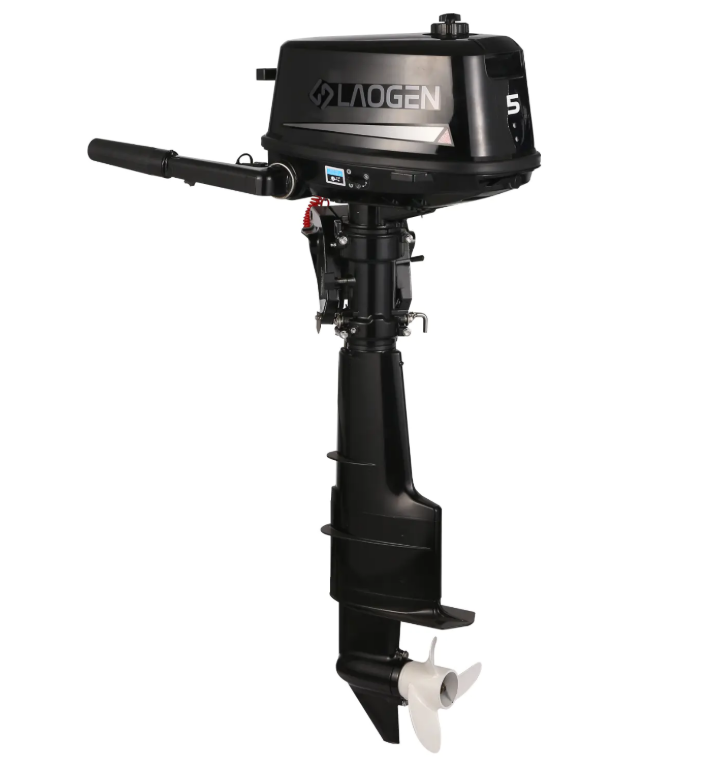
Fuel Mixing Fundamentals for 2 Stroke Operation
A core requirement for operating an Outboard Motor 2 Stroke is preparing a correct fuel-oil mixture before use. A 2 Stroke Outboard Motor does not store oil in a separate reservoir, so lubrication is achieved through oil blended directly with fuel.
The mixing ratio varies depending on engine design, with commonly used proportions such as 50:1 or 40:1. These ratios indicate how much fuel is combined with a specific amount of oil. Maintaining consistency in this mixture is important because variations can influence combustion quality and internal lubrication.
Accurate measurement is important during preparation. Many users rely on measuring containers or marked mixing bottles to reduce the chance of imbalance. Clean containers also help prevent contamination, which can affect engine behavior.
Effects of Incorrect Fuel Mixing
Fuel mixture errors are among the common issues affecting a 2 Stroke Outboard Motor. When the oil content is too low, internal components may not receive enough lubrication, which can increased friction and wear. When oil content is too high, combustion may become incomplete, resulting in residue buildup.
Possible symptoms of incorrect mixing include:
Difficulty starting the engine
Uneven idle speed
Reduced throttle response
Spark plug deposits
Excessive smoke during operation
These signs often indicate that the fuel mixture or fuel quality needs to be reviewed.
Troubleshooting Starting and Running Issues
When an Outboard Motor 2 Stroke fails to start or operate smoothly, a structured troubleshooting approach can help identify the cause. Fuel delivery is usually the area to inspect. Blocked fuel lines or clogged filters may restrict fuel flow to the engine.
The carburetor is another critical component. Over time, fuel residue can accumulate and affect fuel-air balance. Cleaning or adjusting the carburetor may restore more stable operation.
Spark plugs should also be checked regularly. A 2 Stroke Outboard Motor may experience ignition issues if spark plugs are fouled or worn. Cleaning deposits or replacing the plug can improve ignition reliability.
Air intake pathways should remain clear as well. Restricted airflow can disrupt combustion balance and reduce engine stability.
Routine Maintenance Practices for Stable Operation
Consistent maintenance helps extend the functional life of an Outboard Motor 2 Stroke. After use, especially in marine environments, flushing the engine with clean water helps reduce salt and mineral buildup. This step is particularly important in preventing corrosion.
Fuel system components such as hoses, connectors, and filters should be inspected periodically. Any signs of wear or leakage should be addressed early to avoid operational interruptions.
Proper storage also plays a role in maintaining a 2 Stroke Outboard Motor. Fuel should be stored in clean, sealed containers, and the engine should be kept in a dry environment when not in use for extended periods.
Operational Stability and Long-Term Care
A well-maintained Outboard Motor 2 Stroke can deliver consistent performance across varied marine conditions. Attention to fuel mixing, cleaning routines, and basic mechanical inspection contributes to smoother operation.
Although the system is structurally simpler than multi-cycle engine types, it still relies on careful user handling to maintain stability. Regular checks and disciplined fuel preparation remain key factors in keeping a 2 Stroke Outboard Motor operating reliably across different usage scenarios.

Get in touch

- Phone: +86-13606682703
- Email: [email protected]
- Tel:
- Add: Lingang Industrial Park, Jiantiao Town, Sanmen County, Taizhou City, Zhejiang Province, China.


