

 English
 русский

Outboard Motor 2 Stroke Power Output and Speed Performance Analysis
Outboard Motor 2 Stroke engines are widely recognized for their direct combustion cycle and responsive power delivery in small marine applications. A 2 Stroke Outboard Motor is often selected when users prioritize quick acceleration and straightforward mechanical structure over complex multi-stage operation. Understanding how power output and speed performance are generated helps clarify how these engines behave under different marine conditions.
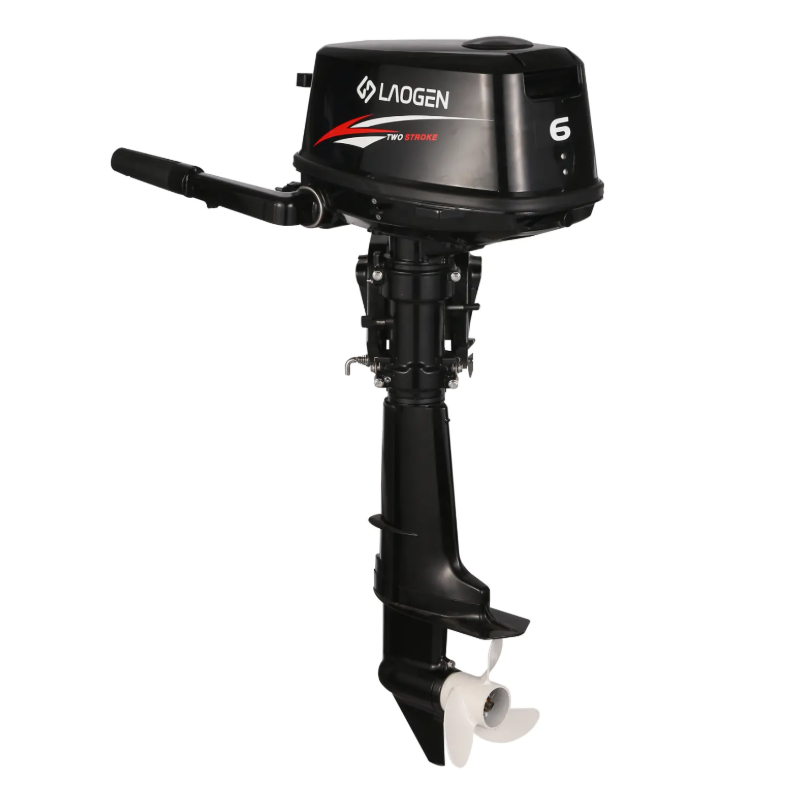
Power Generation Characteristics in 2 Stroke Design
The working principle of an Outboard Motor 2 Stroke is based on completing a full combustion cycle in fewer crankshaft rotations compared to other engine designs. This allows a 2 Stroke Outboard Motor to deliver power in a more frequent and continuous manner during operation.
Because combustion occurs more often within the cycle, the engine responds quickly to throttle input. This responsiveness is especially noticeable in small boats where changes in speed need to occur without delay.
The simplicity of the internal structure also contributes to a direct transfer of energy from combustion to propulsion. This structural design influences how the engine reacts under different load conditions.
Key Factors Affecting Power Output
The performance of an Outboard Motor 2 Stroke is influenced by several mechanical and environmental factors. These elements work together to determine how effectively engine power is converted into movement on water.
Important factors include:
Engine displacement and internal cylinder capacity
Operating RPM range and throttle control
Fuel and oil mixture consistency
Propeller size and blade configuration
Water resistance and vessel load conditions
Each factor plays a role in shaping how a 2 Stroke Outboard Motor performs during real-world operation.
Speed Performance in Practical Conditions
The speed behavior of an Outboard Motor 2 Stroke depends not only on engine output but also on how the vessel interacts with water. Hull design, weight distribution, and load level can all influence movement efficiency.
In lighter vessels, a 2 Stroke Outboard Motor often produces noticeable acceleration during initial movement. This makes it suitable for short-distance travel or situations where a quick response is needed.
Heavier loads may require sustained throttle input to maintain steady movement. In such cases, engine output must work continuously against increased resistance from water conditions.
Acceleration vs Continuous Operation
One characteristic of an Outboard Motor 2 Stroke is its strong acceleration response. When throttle input increases, power delivery tends to rise quickly, allowing the vessel to gain speed in a shorter time frame.
However, continuous operation at stable cruising speeds introduces additional considerations. Fuel consumption tends to increase under sustained load, and thermal balance becomes an important operational factor.
A 2 Stroke Outboard Motor may require attention to cooling and fuel consistency during longer operation periods to maintain stable performance.
Fuel Efficiency and Performance Balance
Power output and fuel usage are closely connected in an Outboard Motor 2 Stroke. While the engine delivers responsive acceleration, fuel consumption patterns may vary depending on operating conditions.
Short bursts of movement often highlight the engine’s responsiveness, while extended cruising emphasizes fuel usage considerations. This balance is an important factor when selecting operating modes for different marine activities.
Application Scenarios in Marine Use
A 2 Stroke Outboard Motor is commonly used in scenarios where portability and responsive movement are important. Typical applications include:
Small fishing vessels
Inflatable boats
Lightweight recreational craft
Short-range transport across water
These environments benefit from engines that provide immediate response and a manageable mechanical structure.
Operational Considerations for Performance Stability
Maintaining consistent performance in an Outboard Motor 2 Stroke requires attention to fuel preparation, propeller condition, and load distribution. Each of these elements affects how power is delivered to the water.
While the engine is structurally simple, its performance behavior is closely linked to how it is operated and maintained. Proper handling allows a 2 Stroke Outboard Motor to perform consistently across different marine conditions and usage patterns.

Get in touch

- Phone: +86-13606682703
- Email: [email protected]
- Tel:
- Add: Lingang Industrial Park, Jiantiao Town, Sanmen County, Taizhou City, Zhejiang Province, China.


