

 English
 русский

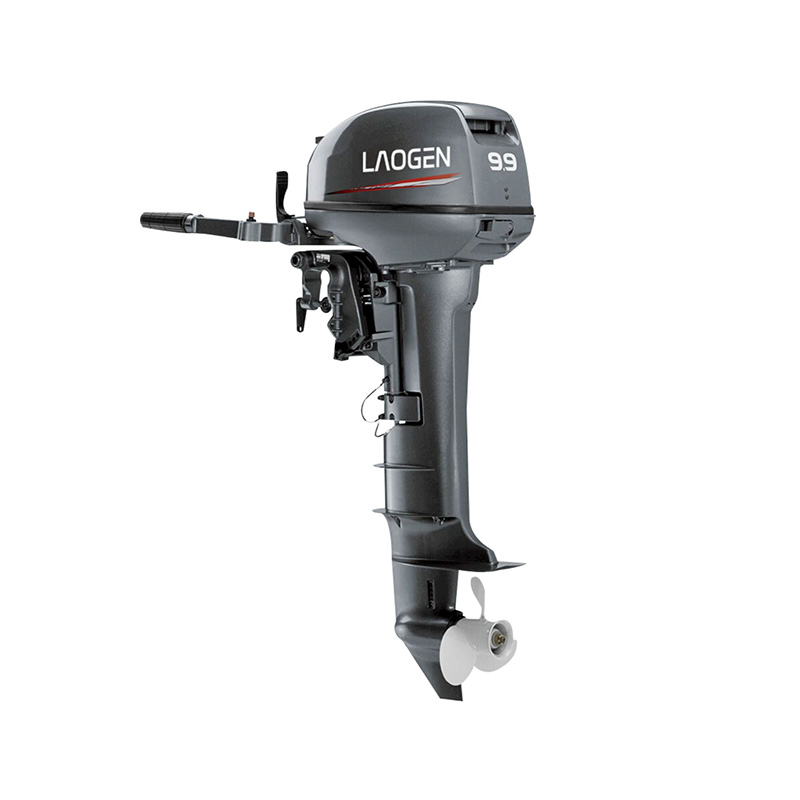
Maintenance Tips to Extend 9.9HP Outboard Engine Service Life
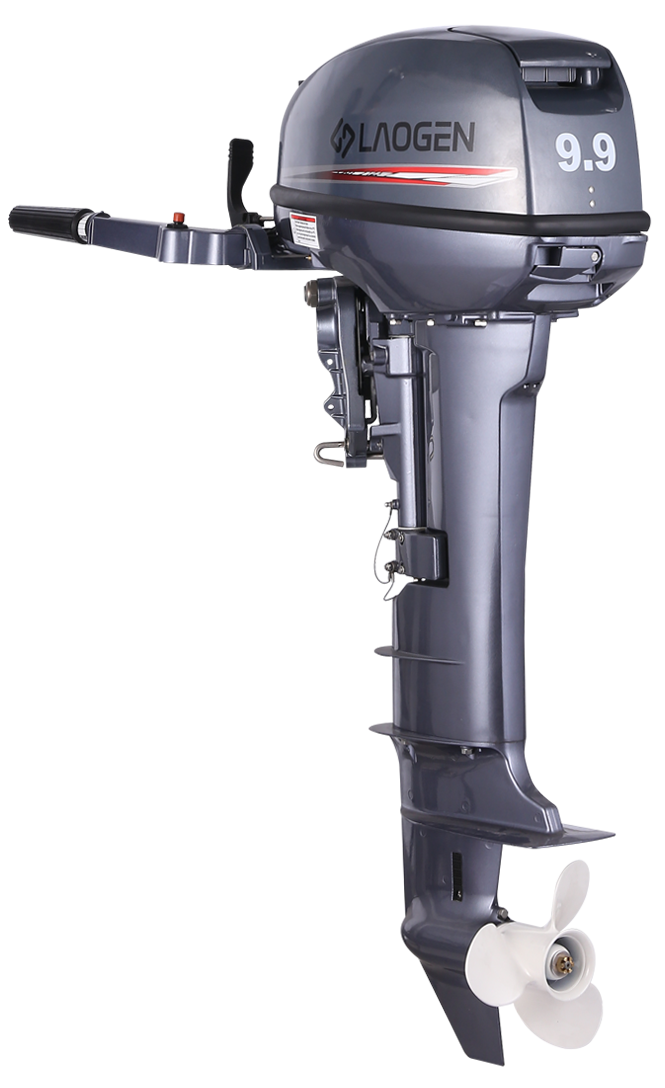
Proper maintenance plays an important role in ensuring the stable operation of a 9.9HP Outboard Engine, especially when it is used frequently in different water environments such as lakes, rivers, or coastal areas. Regular care not only helps reduce mechanical wear but also supports smoother operation across different usage conditions. Maintenance should be viewed as a continuous process rather than an occasional repair activity.
Understanding the Importance of Routine Maintenance
Routine maintenance is the foundation of long-term engine stability. Even when the engine appears to be operating normally, internal components may gradually experience wear due to vibration, water exposure, and temperature changes. Establishing a consistent inspection routine helps identify potential issues early before they develop into larger mechanical concerns.
Post-Use Cleaning Procedures
After each operation, especially in environments containing sediment or saltwater, cleaning the engine surface is necessary. Removing water residue, dirt, and salt particles helps reduce surface buildup that may contribute to corrosion over time. Attention should be given to lower units, mounting brackets, and cooling water outlets where residue tends to accumulate more easily.
Cooling System Care and Flushing
The cooling system is essential for maintaining safe operating temperatures. Water passages can gradually accumulate debris, which may restrict flow. Flushing the system with clean water after use helps maintain stable internal circulation. This process is particularly important when operating in environments with sand or organic matter in the water.
Fuel System Maintenance Considerations
Fuel quality and storage conditions directly affect combustion stability. Fuel that has been stored for long periods may lose performance consistency. Proper storage containers and regular replacement cycles help maintain fuel integrity. In addition, fuel lines and connectors should be inspected to ensure there are no leaks or blockages affecting delivery efficiency.
Lubrication and Internal Component Protection
Lubrication supports the movement of internal components and reduces friction during operation. Regular oil level checks and timely replacement contribute to smoother engine performance. When the engine is not in use for extended periods, protective lubrication measures can help reduce internal dryness and mechanical stiffness.
Propeller Inspection and Balance
The propeller is responsible for converting engine power into forward movement. Even slight deformation or surface damage may influence balance and water flow efficiency. Regular inspection helps ensure consistent thrust output. If damage is identified, corrective action should be taken to maintain stable navigation behavior.
Storage Environment Preparation
Proper storage conditions significantly influence engine condition over time. Dry and ventilated environments help reduce moisture-related wear. It is also advisable to protect the engine from direct exposure to dust and humidity during long idle periods. Seasonal preparation steps may include cleaning, fuel stabilization, and protective covering.
Electrical Connection and Hardware Checks
Electrical and mechanical connections should be checked periodically. Loose connections or worn components may affect ignition reliability and operational consistency. Ensuring that all fittings remain secure contributes to smoother engine response during use.
Long-Term Maintenance Habits
Maintenance effectiveness depends on consistency. Small habits such as post-use rinsing, regular inspection, and proper storage collectively support engine durability. Over time, these practices help maintain stable operation under different boating conditions.

Get in touch

- Phone: +86-13606682703
- Email: [email protected]
- Tel:
- Add: Lingang Industrial Park, Jiantiao Town, Sanmen County, Taizhou City, Zhejiang Province, China.


