

 English
 русский

How to Choose the Right 9.9HP Outboard Engine for Boats
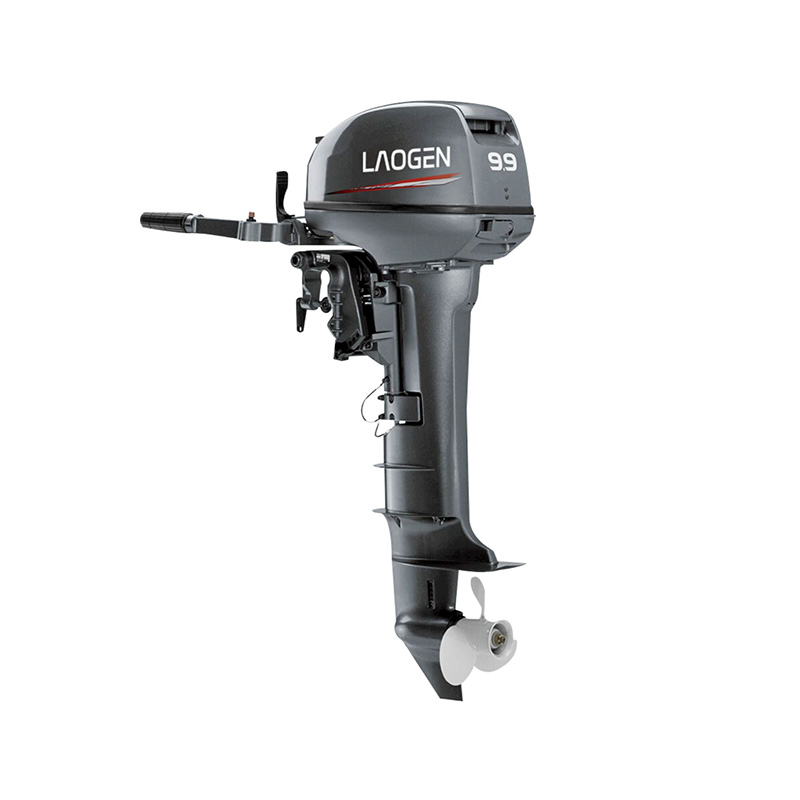
Choosing a suitable option in the 9.9HP Outboard Engine category often depends on how and where the boat will be used, as well as the type of vessel involved in daily operation. Many users look at this engine range because it offers a balance between manageable size and practical propulsion for small water activities. Before making a decision, it is important to evaluate several technical and environmental factors that influence overall performance on water.
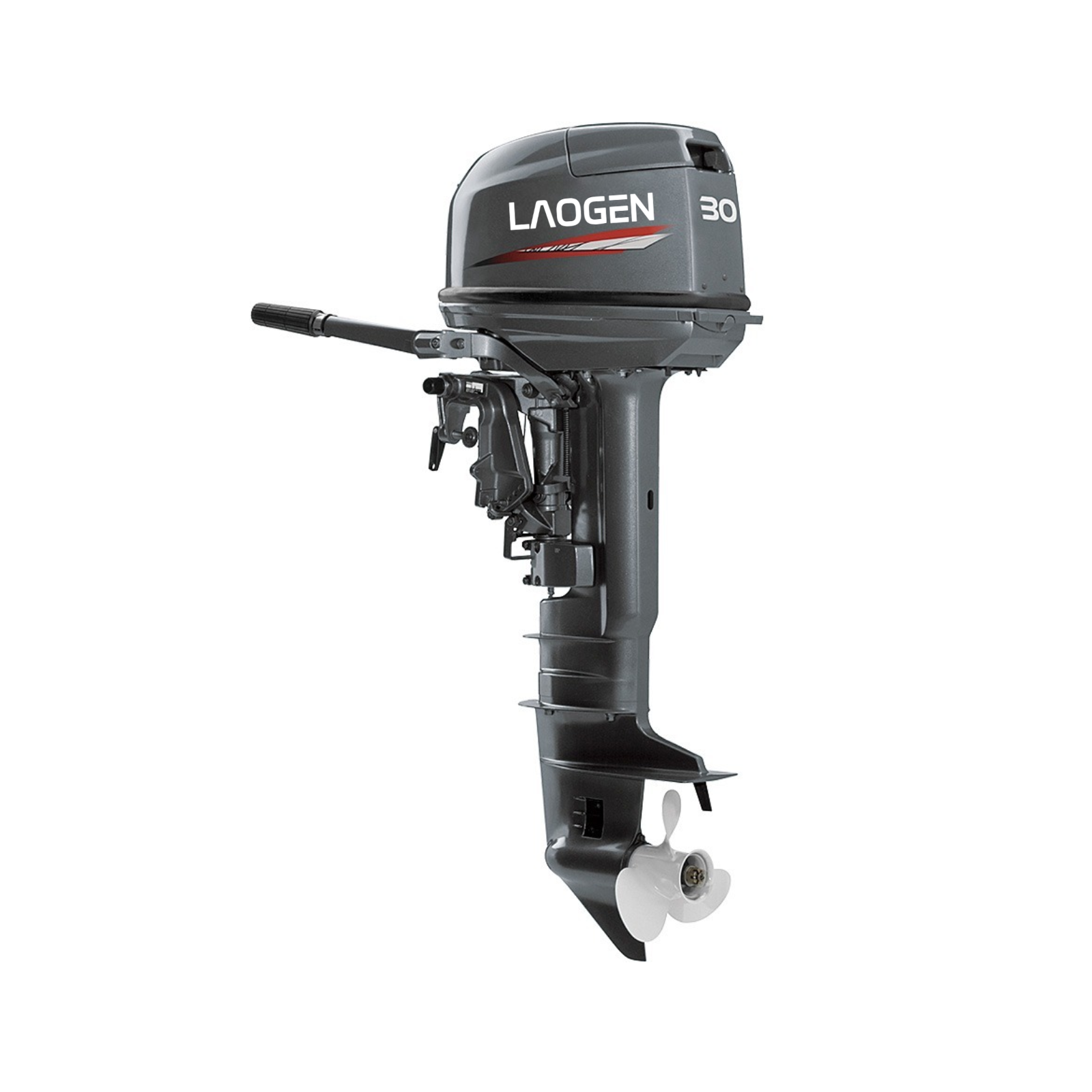
Understanding Boat Types and Structural Compatibility
Different boats respond differently to engine output and mounting structure. Inflatable boats, compact fishing boats, and lightweight aluminum vessels are commonly paired with engines in this power range. Each hull design has unique resistance levels and movement characteristics, which means the same engine can perform differently depending on the boat's structure. For example, inflatable boats tend to sit higher on the water surface, while aluminum boats may require more stable thrust distribution. Understanding these differences helps avoid mismatch issues that could affect steering stability and propulsion balance.
Evaluating Intended Usage Conditions
The usage environment plays a significant role in engine selection. Calm lakes, rivers, and coastal waters each place different demands on propulsion systems. In calm waters, lower resistance allows smoother movement, while in areas with waves or currents, consistent thrust output becomes more important. Users who carry fishing gear or additional passengers should also consider load variations, as heavier weights affect acceleration and cruising behavior.
Shaft Length and Water Positioning
One of the important technical considerations is shaft length selection. A mismatch between shaft size and transom height can reduce propulsion efficiency or uneven water intake. Short shaft configurations are generally used for shallow water conditions where the propeller remains closer to the surface. Long shaft configurations are more suitable for deeper water environments where consistent immersion is required for stable thrust. Proper measurement before installation is essential for avoiding operational issues.
Engine Type and Operational Behavior
Two main engine types are commonly available in this category: two-stroke and four-stroke systems. Two-stroke designs typically have simpler mechanical structures and respond quickly to throttle changes. Four-stroke systems, on the other hand, tend to operate with smoother output characteristics and more controlled combustion cycles. Each type has different maintenance requirements, fuel behavior, and sound levels during operation. Users should consider how frequently the engine will be used and what level of mechanical involvement they prefer.
Fuel Efficiency and Long-Term Use Considerations
Fuel usage patterns vary depending on operating conditions and engine type. Steady cruising generally consumes fuel at a different rate compared to frequent acceleration or load-heavy operation. Long-term use considerations also include storage habits, seasonal operation frequency, and maintenance scheduling. A well-maintained engine typically provides more consistent performance across different boating conditions.
Installation and Handling Factors
Ease of installation and handling is another practical factor. Some users prioritize lightweight designs that are easier to mount and transport, especially when the engine needs to be removed after each use. Others may prefer more stable mounting systems that remain installed for extended periods. The choice often depends on how frequently the boat is used and whether transportation flexibility is required.
Environmental Adaptation
Water conditions such as temperature, salinity, and depth can influence engine behavior over time. Engines used in saltwater environments require more frequent cleaning routines, while freshwater environments generally involve less corrosion risk. Adapting usage habits to environmental conditions helps maintain more stable operation over time.

Get in touch

- Phone: +86-13606682703
- Email: [email protected]
- Tel:
- Add: Lingang Industrial Park, Jiantiao Town, Sanmen County, Taizhou City, Zhejiang Province, China.


