

 English
 русский

2 Stroke Outboard Motor Noise and Vibration: What Is Normal?
2 Stroke Outboard Motor operation naturally produces a distinct sound pattern and vibration rhythm that often draws attention from new boat owners. When installed as a 9.9 HP outboard engine on small fishing boats, inflatable craft, or compact utility vessels, these characteristics can feel more noticeable due to the size and structure of the hull. Understanding what is considered normal helps operators distinguish between expected mechanical behavior and signs that may require inspection.
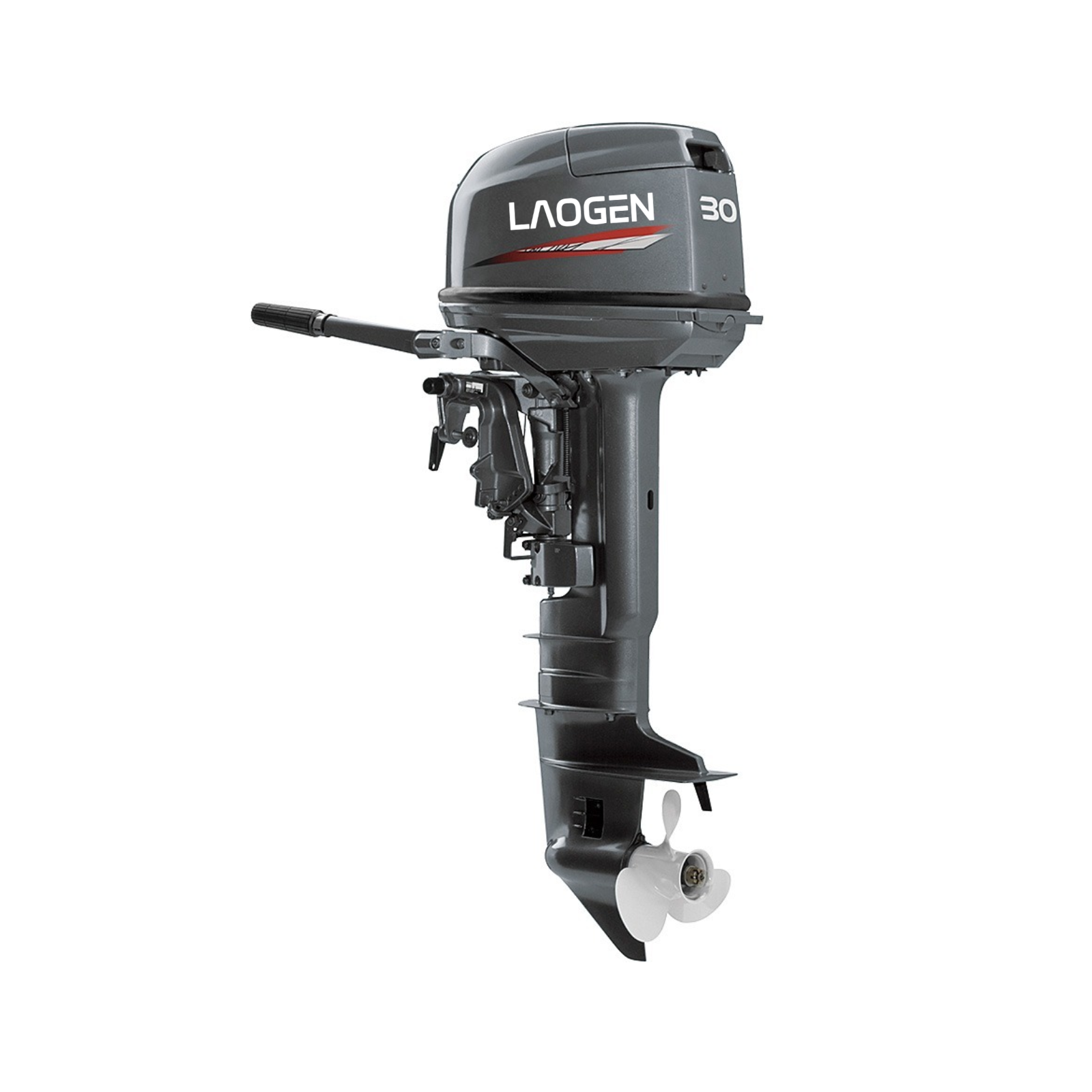
Why Two-Stroke Engines Sound Different
The operating cycle of a 2 Stroke Outboard Motor differs from other propulsion systems because combustion events occur more frequently within each rotation. This design produces a sharper exhaust tone and a more rhythmic idle pattern. The sound is not a defect but rather an inherent trait of the engine’s structure.
In smaller boats, engine noise may seem amplified. Lightweight hull materials transmit vibration more directly, and limited insulation allows sound waves to travel freely across the deck. When a 9.9 HP outboard engine is mounted on a compact vessel, operators often hear and feel mechanical feedback more clearly than on larger boats.
Normal Idle Behavior
At idle speed, slight vibration through the tiller handle or mounting bracket is expected. The engine may produce a steady pulsing tone that reflects its combustion cycle. Mild exhaust smoke during warm-up can also occur, especially if the fuel mixture contains slightly more oil than required.
As the engine reaches operating temperature, idle typically stabilizes. A consistent rhythm without irregular shaking usually indicates normal function. Owners should observe whether the vibration remains predictable. Sudden stalling or uneven running may signal fuel delivery issues or spark plug wear rather than structural failure.
For a 9.9 HP outboard engine used primarily for recreational boating, stable idle performance is an important indicator of overall engine condition.
Acceleration and Mid-Range Operation
When the throttle increases, the sound intensity rises accordingly. A 2 Stroke Outboard Motor is known for quick throttle response, and this responsiveness is accompanied by a stronger exhaust note. The transition from idle to cruising speed should feel smooth and progressive.
Vibration levels may shift at certain throttle positions due to resonance between the engine mount and hull structure. This effect can create temporary increases in vibration without indicating mechanical damage. Ensuring that mounting hardware is secure often reduces excessive movement.
During sustained cruising, a properly maintained 9.9HP Outboard Engine should deliver consistent propulsion without irregular knocking or metallic clatter. Continuous abnormal sounds require investigation to prevent further wear.
Identifying Abnormal Noise Patterns
Although a distinctive sound is part of normal operation, certain noises should not be ignored. Grinding, scraping, or irregular tapping can indicate mechanical wear. Changes in vibration intensity that occur suddenly may suggest loose components or propeller imbalance.
Cooling system irregularities may also influence sound. If water flow is restricted, internal temperature can rise, affecting engine tone. Routine flushing after an operation in saltwater environments supports stable cooling performance.
Operators should develop familiarity with their engine’s typical acoustic profile. This awareness allows early detection of unusual behavior before minor concerns escalate into significant problems.
Practical Steps to Reduce Excess Vibration
Boat owners can take several measures to improve comfort and reduce unnecessary vibration:
- Check that the mounting bracket is tightly secured to the transom.
- Inspect the propeller for physical damage or imbalance.e
- Verify that the engine sits at the correct height relative to the hull.
- Replace worn rubber mounting components if necessary.
A well-aligned 2 Stroke Outboard Motor typically operates within a predictable vibration range. When paired appropriately with a 9.9HP Outboard Engine configuration, the propulsion system can provide steady handling for fishing, leisure travel, and small-scale transport.
Long-Term Monitoring and Maintenance
Consistent observation plays a key role in maintaining engine health. Listening carefully during each outing helps identify gradual changes in sound or performance. Regular spark plug inspection, fuel system cleaning, and cooling system checks contribute to smoother operation over time.
By understanding what constitutes normal noise and vibration, boat owners gain confidence in their equipment. Awareness reduces unnecessary concern while ensuring that genuine mechanical issues receive timely attention.
The sound and vibration characteristics of a 2 Stroke Outboard Motor are part of its mechanical identity. When operating as a 9.9HP Outboard Engine, these traits become more apparent on smaller boats but remain within expected limits when the engine is properly maintained. Distinguishing between normal operation and abnormal warning signs allows operators to maintain reliability while enjoying consistent propulsion on the water.

Get in touch

- Phone: +86-13606682703
- Email: [email protected]
- Tel:
- Add: Lingang Industrial Park, Jiantiao Town, Sanmen County, Taizhou City, Zhejiang Province, China.


