

 English
 русский

2 Stroke Outboard Motor Fuel Mix Mistakes: How to Fix Them
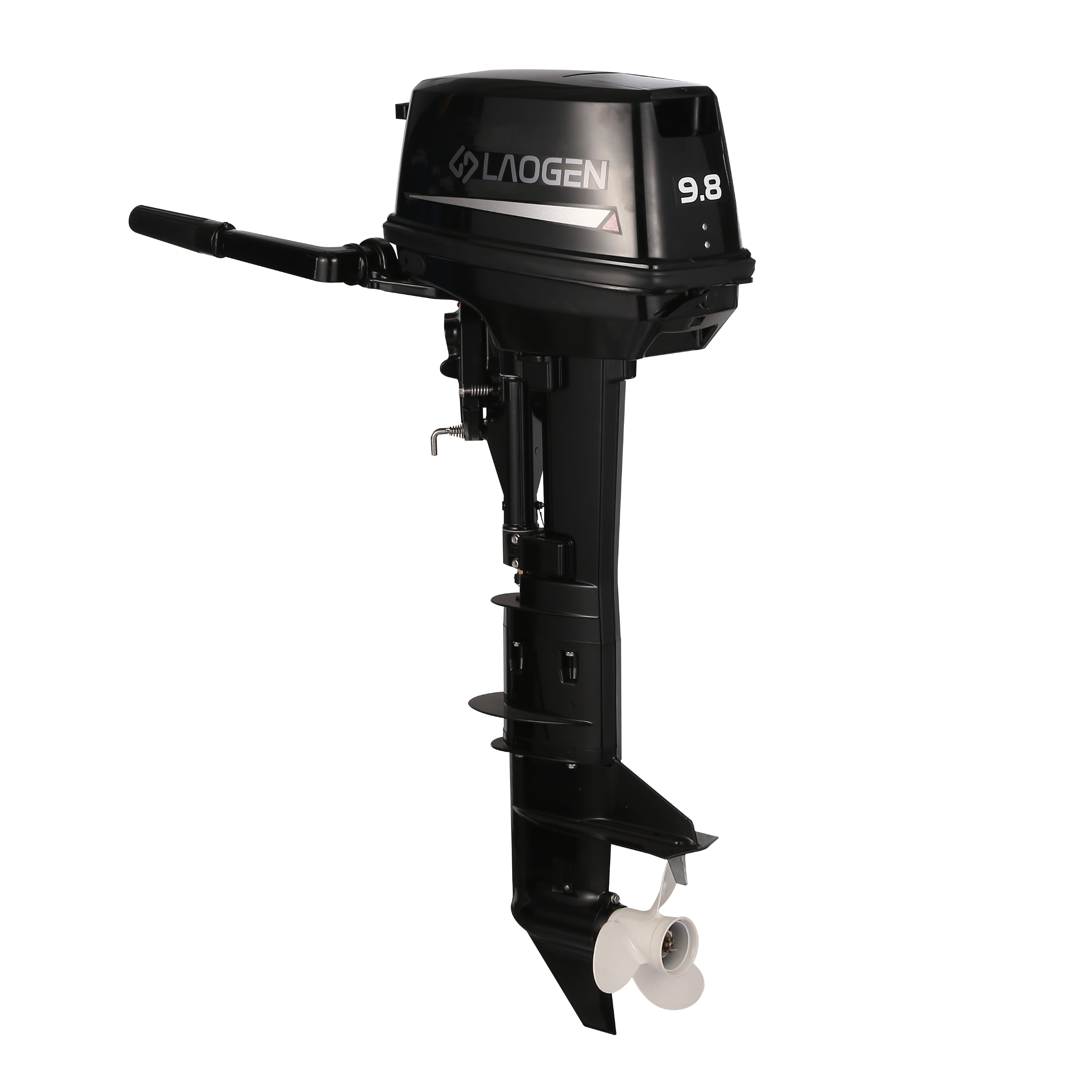
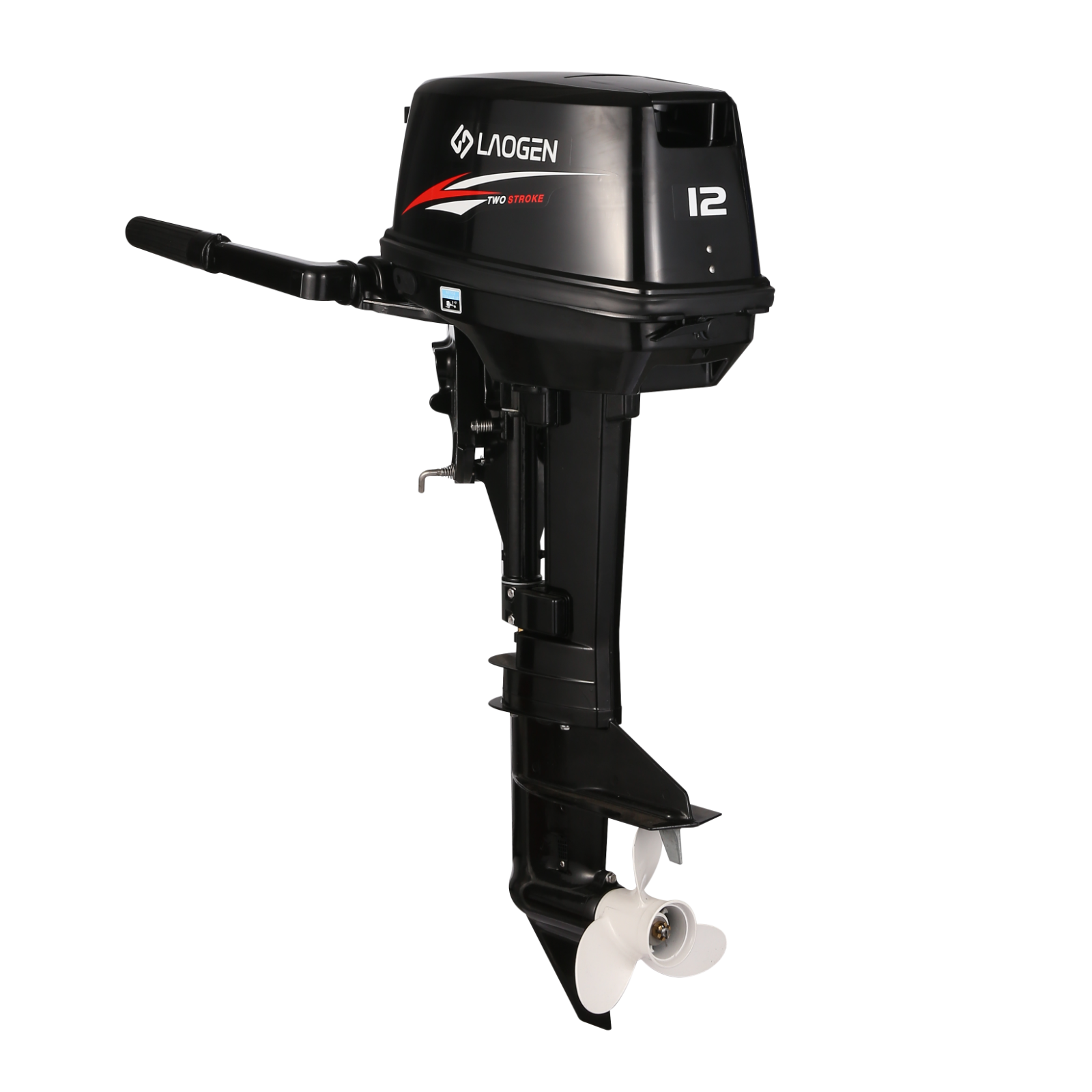
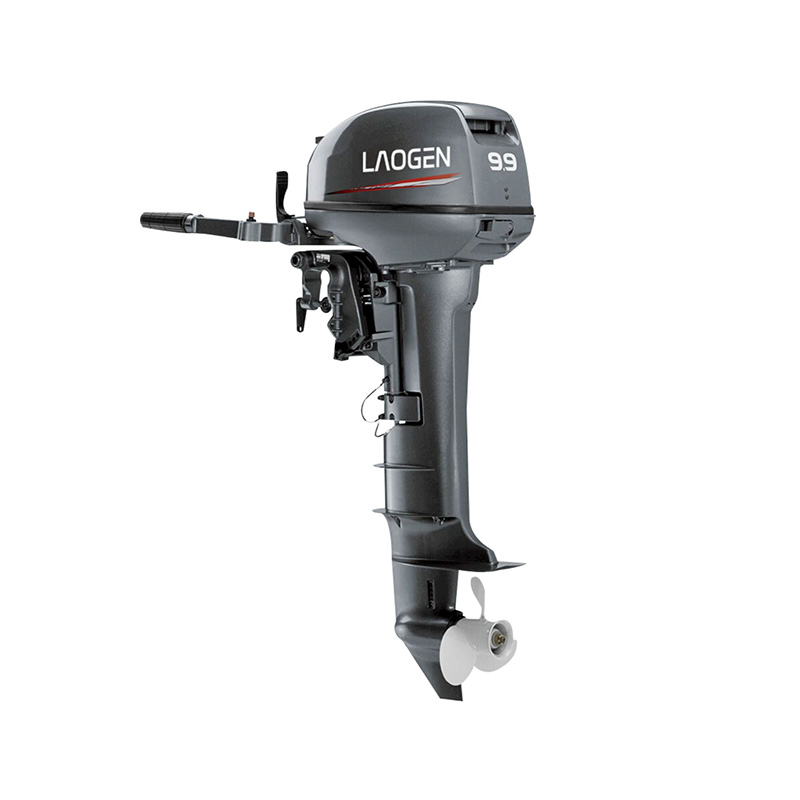
2 Stroke Outboard Motor reliability depends heavily on correct fuel preparation. Because lubrication occurs through oil blended directly into the fuel supply, accurate mixing is essential for protecting internal components. Owners of a 9.9 HP outboard engine often discover that improper fuel blending is one of the common causes of starting difficulty, power inconsistency, and premature wear. Recognizing common mistakes and understanding corrective steps can preserve engine function and extend service life.
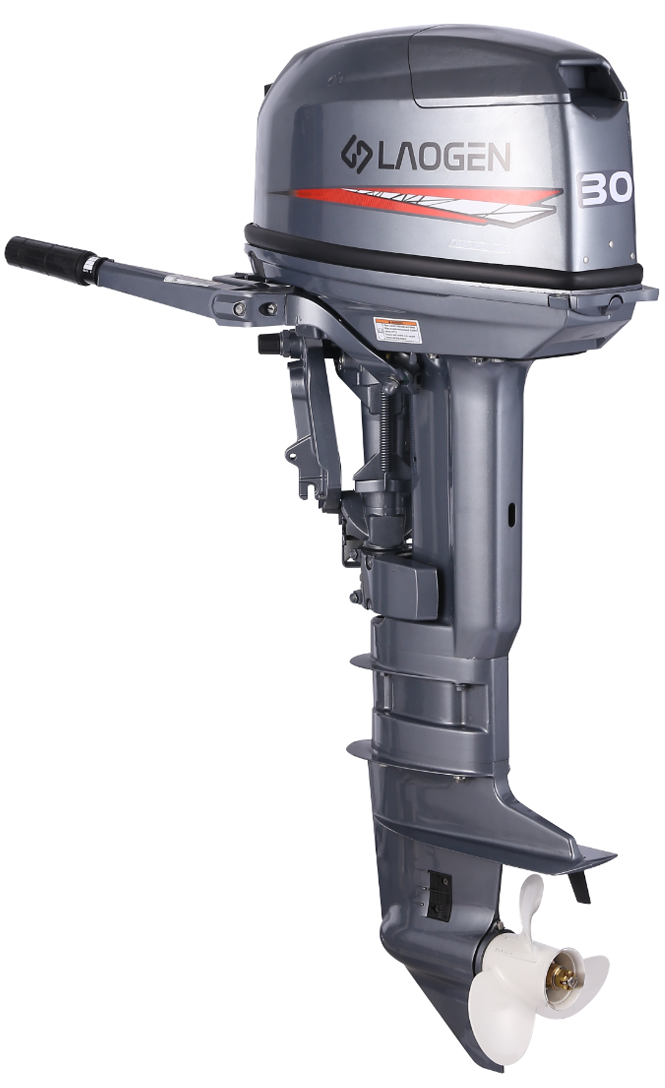
The Importance of Proper Fuel Blending
In a 2 Stroke Outboard Motor, fuel and oil travel together through the combustion system. This mixture lubricates moving parts such as the piston and crankshaft during operation. If the oil concentration is not correct, internal friction or residue buildup may occur.
Smaller engines, including a 9.9HP Outboard Engine, often operate at relatively high rotational speed for their size. Consistent lubrication is therefore essential to maintain smooth motion and temperature balance.
Excessive Oil Content
When too much oil is blended into the fuel, the engine may produce heavy exhaust smoke and develop carbon deposits. Spark plugs can become fouled, cause weak ignition and a rough idle. Over time, residue may accumulate in the exhaust pathway, restricting airflow.
Insufficient Oil Content
If the mixture contains too little oil, internal components lack adequate lubrication. This condition increases friction and heat within the combustion chamber. Operators may notice metallic sounds, reduced throttle response, or difficulty maintaining stable operation.
Use of Inappropriate Oil Type
Marine two-stroke engines require oil formulated for water-cooled systems. Substituting automotive or non-marine oil can result in incomplete combustion and residue formation. Selecting suitable oil helps maintain a cleaner operation and reduces deposit buildup.
Recognizing Warning Signs
Fuel mixture imbalance often presents through observable symptoms. These may include:
- Rough or unstable idle
- Reduced acceleration response
- Persistent exhaust smoke beyond warm-up
- Frequent spark plug fouling
When operating a 9.9 HP outboard engine, paying attention to these signals allows early correction before significant wear develops.
Corrective Actions
If improper mixing is suspected, the one step is to drain the existing fuel from the tank and carburetor. Fresh fuel should then be prepared using a clean measuring container dedicated to oil blending. Accurate measurement supports consistent lubrication.
Spark plugs that appear coated with carbon residue should be cleaned or replaced. Carburetor inspection may also be necessary to remove deposits that interfere with airflow and fuel delivery.
After corrective measures, the 2 Stroke Outboard Motor should be tested under moderate load to confirm smooth idle and stable acceleration. Observing exhaust clarity and engine response helps verify that the issue has been resolved.
Preventive Practices for Consistent Performance
Developing disciplined fuel preparation habits significantly reduces risk. Boat owners can adopt several practical steps:
- Mix fuel in small batches to maintain freshness.
- Clearly label containers to avoid confusion.
- Shake fuel containers gently before use to ensure even distribution.
- Store blended fuel in a cool environment away from direct sunlight.
Regular spark plug inspection provides insight into combustion quality. A clean plug with light coloration often indicates a balanced mixture, while heavy deposits suggest adjustment may be required.
Long-Term Engine Care
Routine maintenance enhances the reliability of a 9.9 HP outboard engine. In addition to careful fuel preparation, periodic cooling system flushing and fuel line inspection contribute to overall stability. Engines that receive consistent attention typically maintain predictable throttle response and steady operation.
Owners should also avoid storing mixed fuel for extended periods. Fuel degradation can alter mixture properties and affect combustion efficiency. Preparing fresh fuel before each boating season helps maintain dependable starting behavior.
Accurate fuel blending forms the foundation of reliable 2 Stroke Outboard Motor operation. For users of a 9.9HP Outboard Engine, understanding common mixing mistakes and applying corrective action promptly can prevent avoidable mechanical wear. Consistent preparation, careful observation, and routine inspection together support long-term engine performance and dependable boating experiences.

Get in touch

- Phone: +86-13606682703
- Email: [email protected]
- Tel:
- Add: Lingang Industrial Park, Jiantiao Town, Sanmen County, Taizhou City, Zhejiang Province, China.


