

 English
 русский

2 Stroke Outboard Motor Buyers Compare Price, Reliability, and Shaft Length
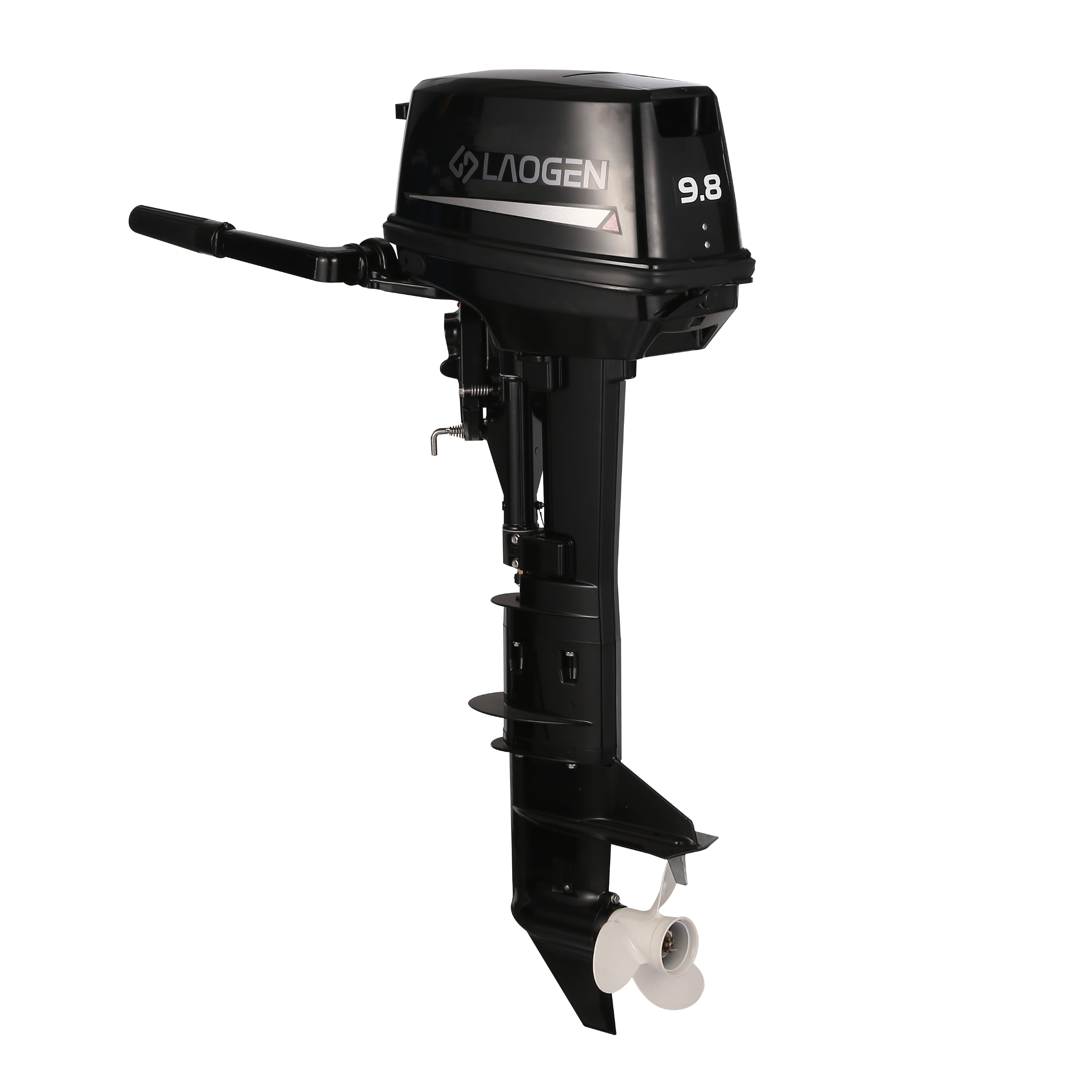
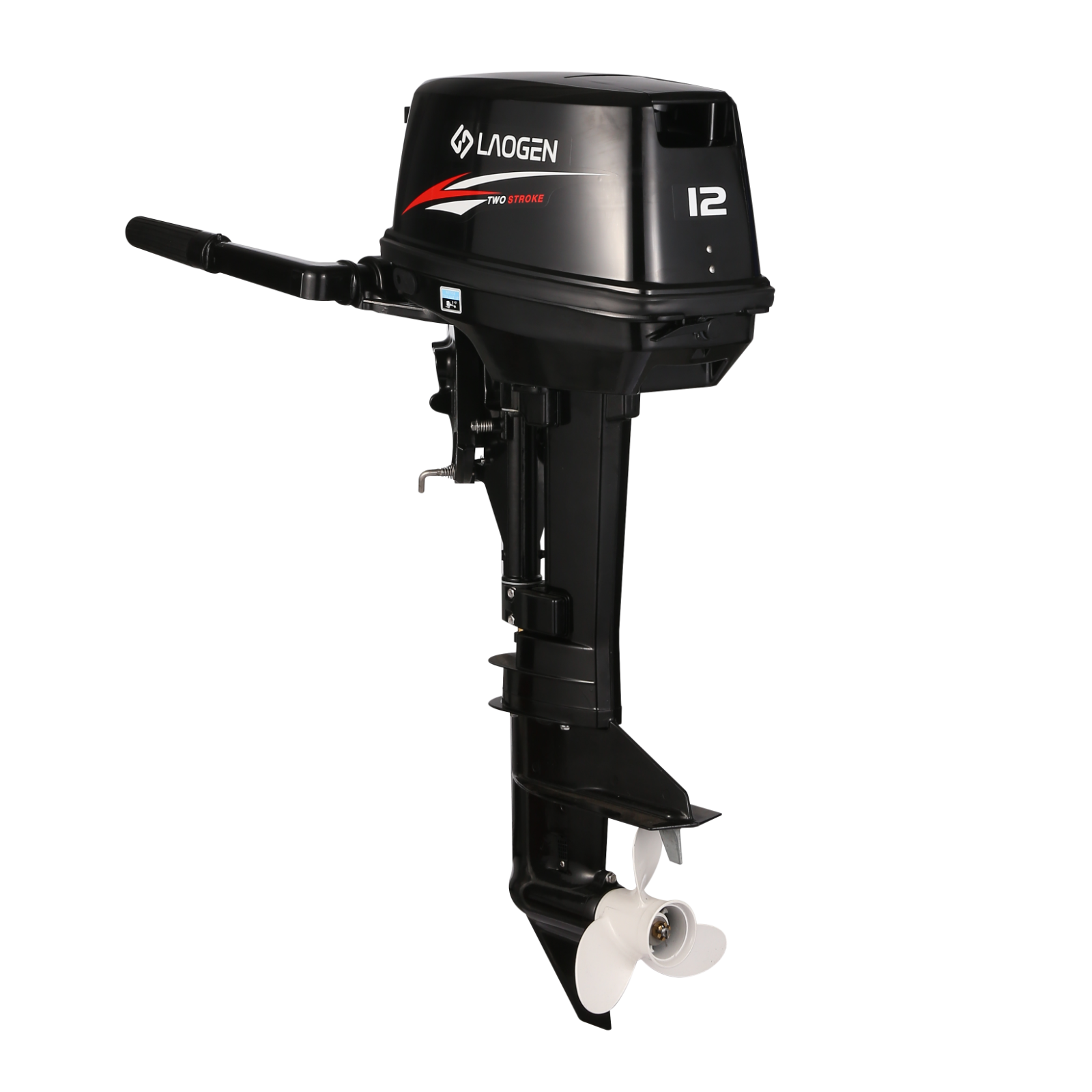
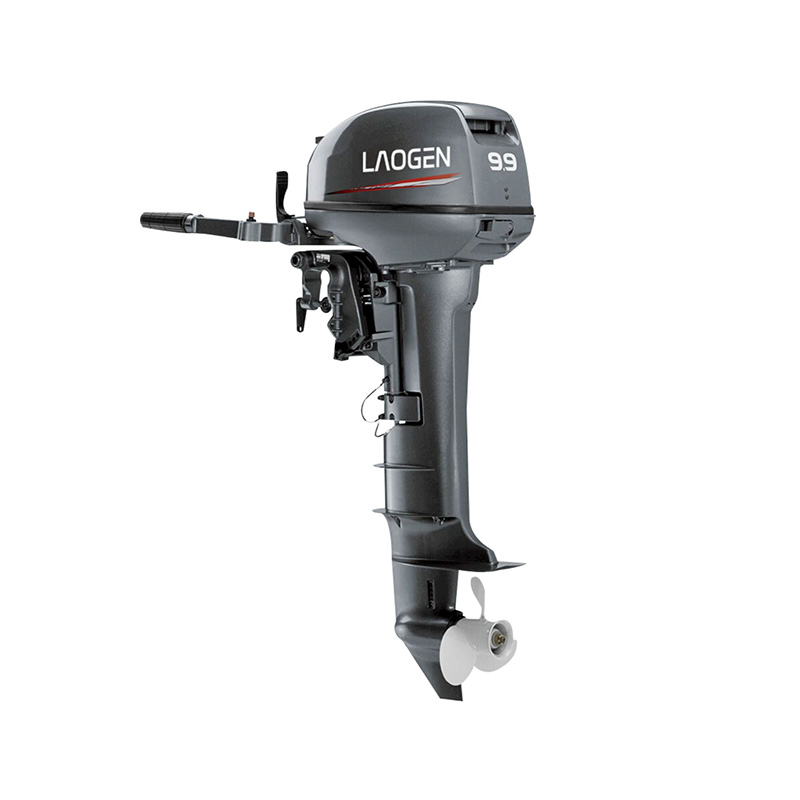
2 Stroke Outboard Motor purchasing decisions are often shaped by practical comparisons rather than brand preference. For boat owners exploring propulsion solutions such as a 9.9HP Outboard Engine, three major factors tend to guide research and final selection: price expectations, mechanical reliability, and shaft length compatibility. Understanding how these elements interact can help buyers avoid costly mistakes and improve long-term satisfaction.
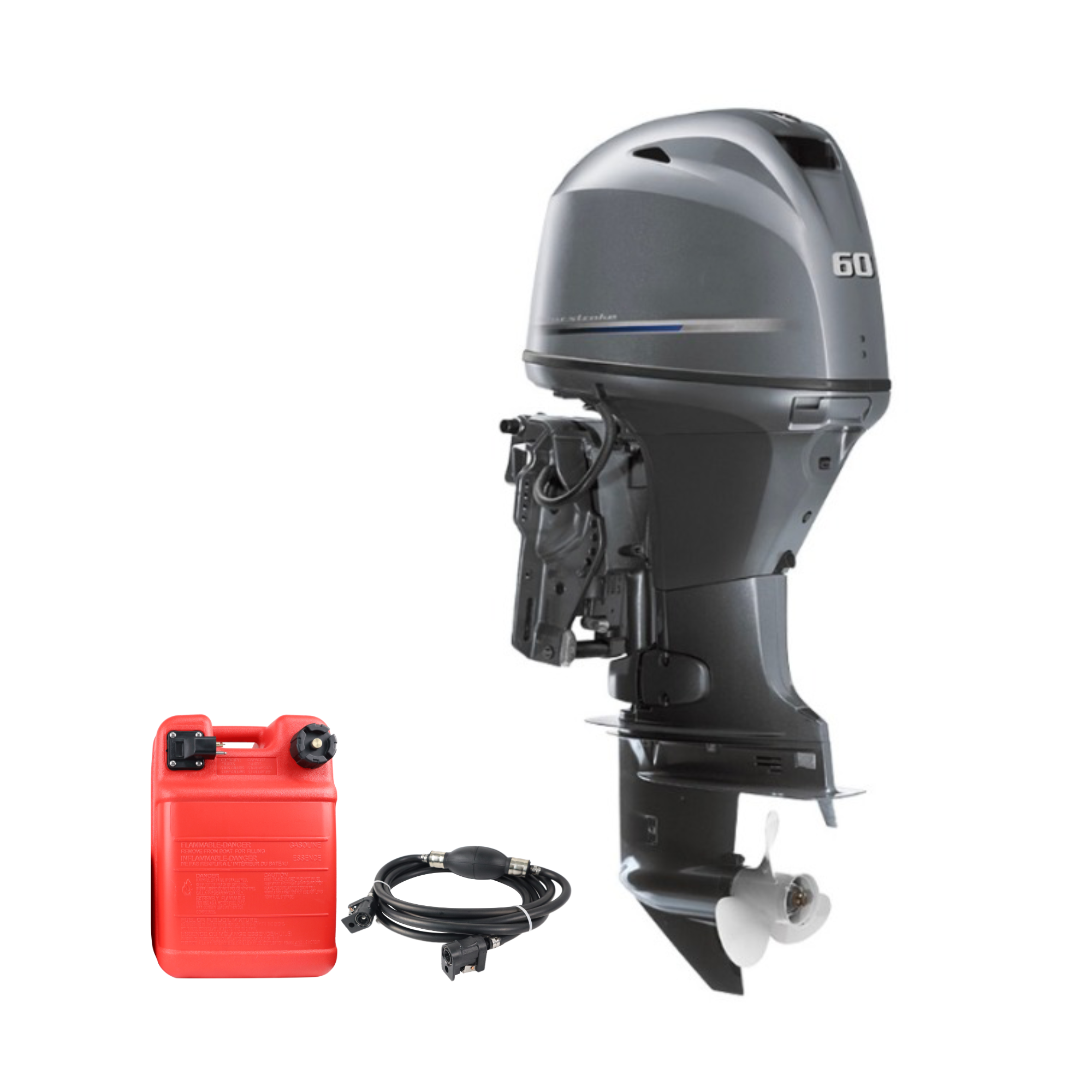
Price Awareness and Budget Considerations
For many small boat operators, affordability remains an important starting point. A 2 Stroke Outboard Motor is frequently chosen because its internal structure is mechanically straightforward, which influences both production cost and service requirements. Buyers typically compare purchase prices alongside expected ownership expenses rather than focusing on cost alone.
When evaluating a 9.9HP Outboard Engine, consumers often look at whether the engine will be used occasionally for recreational fishing or more regularly for transport and utility purposes. An engine used seasonally may justify a different spending strategy compared to one operating year-round.
In addition to the initial purchase, buyers consider fuel mixing requirements, routine maintenance, and possible replacement parts. Although two-stroke designs require oil blending with fuel, the absence of complex valve systems can simplify servicing. As a result, some owners view the overall financial commitment as manageable over time.
Mechanical Reliability and Service Simplicity
Reliability remains central to the decision-making process. The appeal of a 2 Stroke Outboard Motor often lies in its uncomplicated internal layout. With fewer moving components, troubleshooting tends to be more direct. Many boat owners appreciate engines that can be maintained with basic mechanical knowledge.
A 9.9 HP outboard engine in two-stroke configuration is commonly installed on small fishing boats, dinghies, and inflatable craft. In these applications, dependable starting and consistent throttle response are essential. Routine care—such as spark plug inspection, fuel line checks, and cooling system flushing—helps maintain operational stability.
However, buyers should also understand common areas of concern. Engines stored for long periods may experience fuel system blockages or carburetor residue buildup. Regular inspection before seasonal use can prevent performance interruptions. Reliability is not solely determined by engine design but also by the owner’s maintenance habits.
Shaft Length Selection and Boat Compatibility
While price and reliability attract attention, shaft length compatibility is equally significant. A mismatch between engine shaft and boat transom height can influence handling, fuel efficiency, and cooling water circulation.
When purchasing a 9.9HP Outboard Engine, measuring the boat’s transom accurately is essential. If the shaft is too short, the propeller may rise partially out of the water during operation, or unstable thrust. If the shaft is too long, steering effort can increase, and water resistance may affect maneuverability.
A properly matched 2 Stroke Outboard Motor allows smooth propulsion and balanced performance. Buyers who overlook this detail sometimes encounter avoidable operational issues that are unrelated to engine quality.
Balancing Practical Factors
Ultimately, selecting a 9.9HP Outboard Engine requires balancing financial planning, mechanical expectations, and structural compatibility. A 2 Stroke Outboard Motor continues to attract attention because it offers direct throttle feel, accessible maintenance procedures, and portability suitable for smaller vessels.
By comparing price structure, assessing service simplicity, and confirming shaft length alignment, buyers can approach their purchase with clarity and confidence. Thoughtful evaluation helps ensure that the chosen engine supports safe and consistent boating experiences.

Get in touch

- Phone: +86-13606682703
- Email: [email protected]
- Tel:
- Add: Lingang Industrial Park, Jiantiao Town, Sanmen County, Taizhou City, Zhejiang Province, China.


