

 English
 русский

2 Stroke Outboard Motor Performance, Pricing, and Maintenance Focus
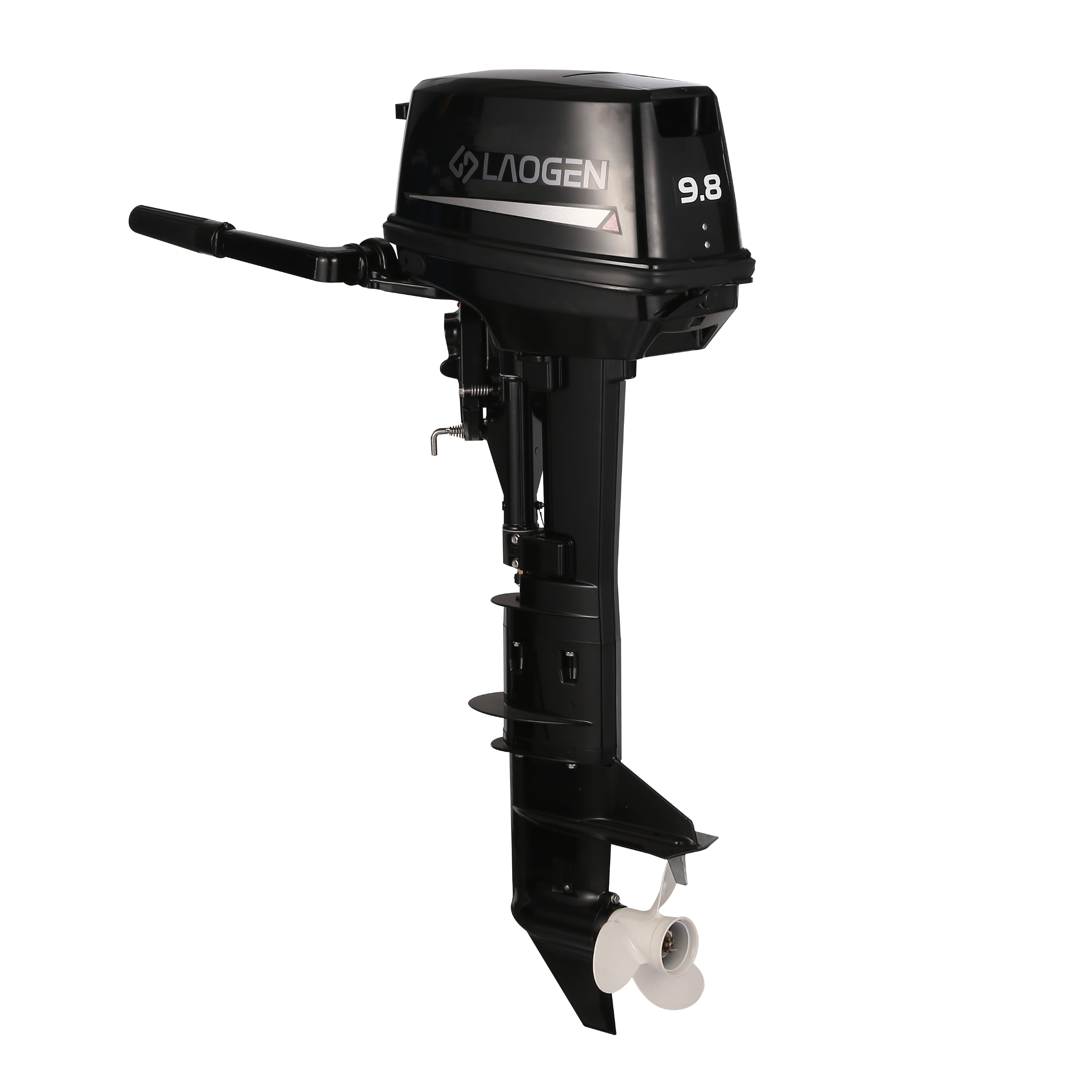
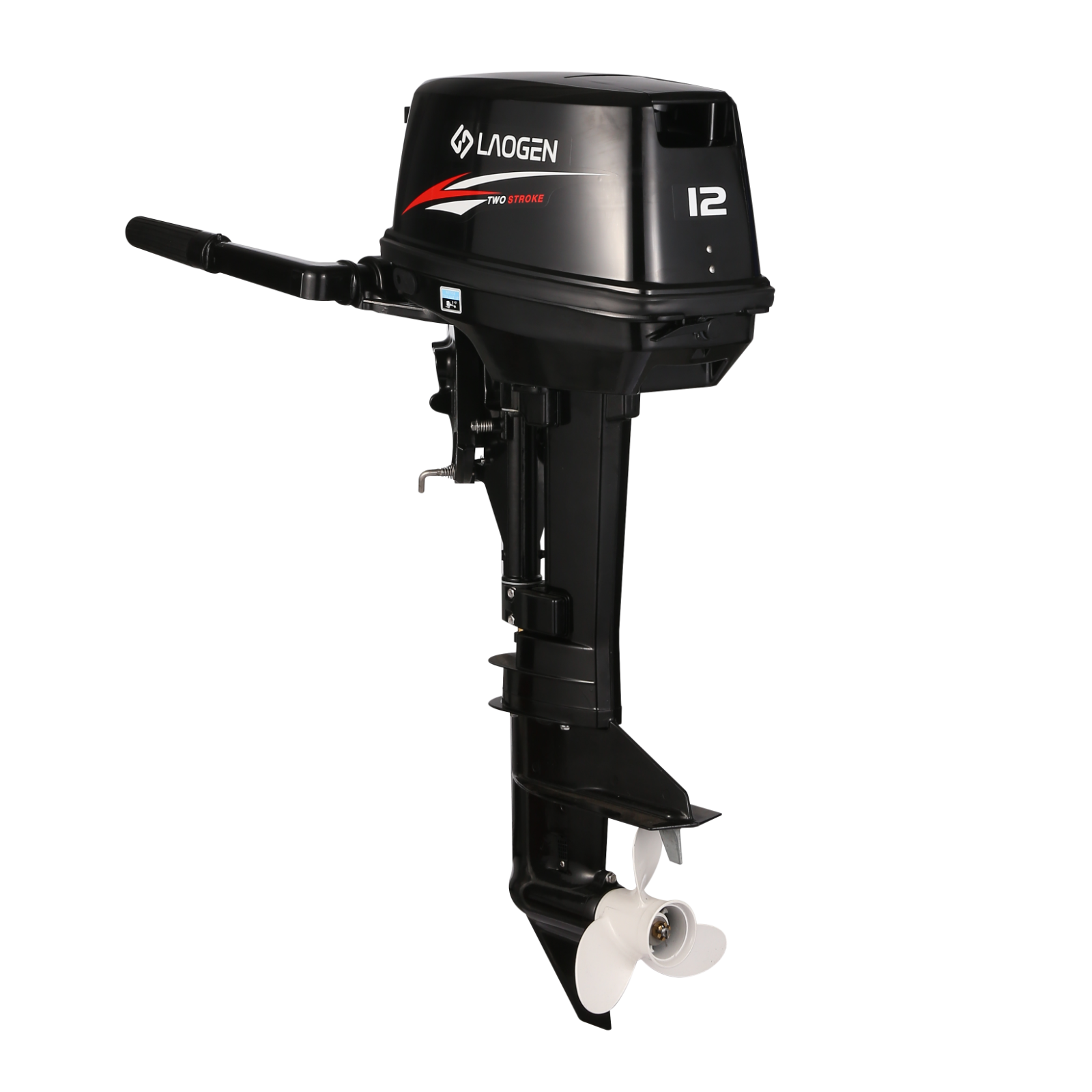
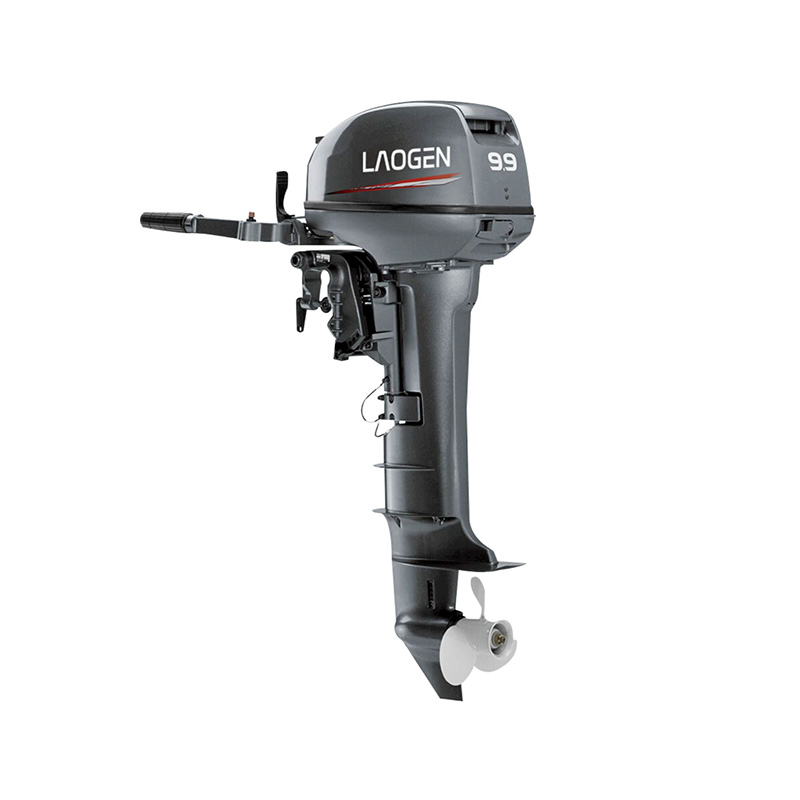
2 Stroke Outboard Motor demand continues to attract attention from small boat owners who value lightweight construction, responsive throttle behavior, and mechanical simplicity. In many recreational and coastal markets, this engine type remains closely connected with the popular 9.9HP Outboard Engine, a power range often selected for compact fishing boats, inflatable vessels, and utility craft. Buyers researching these engines tend to focus on three central areas: performance characteristics, purchase cost, and long-term maintenance considerations.
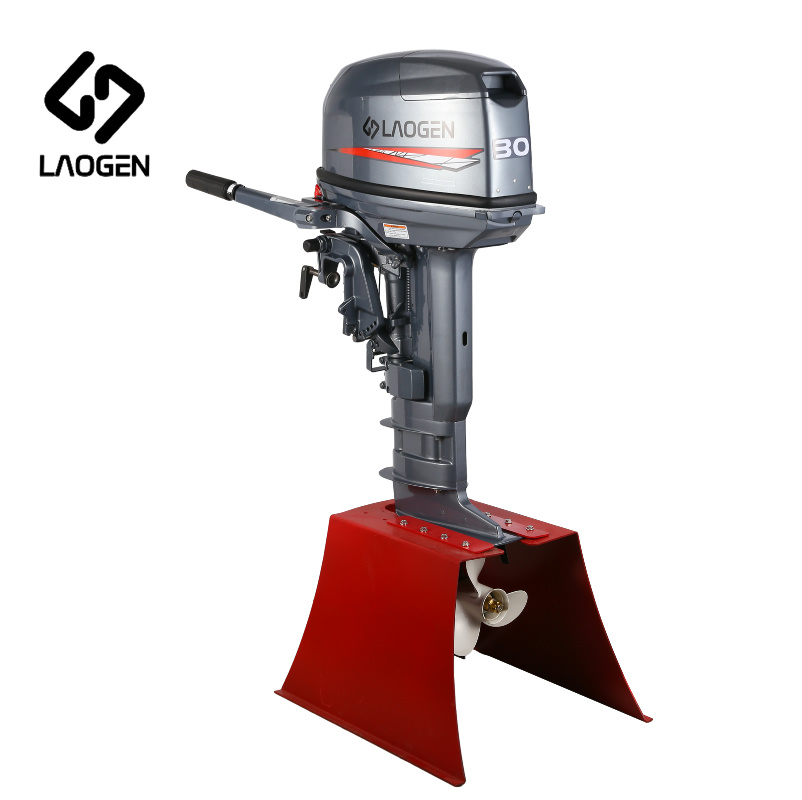
Understanding Performance Characteristics
1. Power Delivery and Throttle Response
One of the defining traits of a 2 Stroke Outboard Motor is its direct combustion cycle. Because power is generated more frequently within the engine’s rotation process, throttle response feels immediate. For small boats that require quick maneuvering—such as when docking or navigating narrow waterways—this responsive acceleration is often appreciated.
When configured as a 9.9HP Outboard Engine, this performance profile typically supports small aluminum boats, inflatable craft, and light fiberglass hulls. Operators often report smooth forward movement under moderate load and consistent torque delivery during mid-range throttle settings.
2. Weight and Portability
Weight remains a decisive factor for buyers who transport engines separately from their boats. A 2 Stroke Outboard Motor generally weighs less than comparable four-stroke alternatives due to its simpler internal structure. This lighter build makes installation, removal, and storage more convenient.
For seasonal boaters or anglers who move between lakes, a 9.9HP Outboard Engine in two-stroke configuration offers a manageable balance between portability and propulsion strength.
3. Fuel Use and Operating Feel
Fuel consumption behavior differs from other engine types because lubricating oil is blended with fuel. While this design increases exhaust emissions compared to some alternatives, it also contributes to straightforward mechanical construction.
Operators often describe the running experience as energetic, with a distinctive exhaust tone and noticeable vibration at idle. These characteristics are normal for a 2 Stroke Outboard Motor and do not necessarily indicate mechanical issues.
Pricing Considerations in the Market
1. Purchase Cost and Market Segmentation
Buyers exploring a 9.9HP Outboard Engine frequently compare two-stroke and four-stroke versions. Two-stroke options are often positioned as accessible solutions for boaters who prioritize affordability and mechanical simplicity.
The used engine market also remains active. Because many 2 Stroke Outboard Motor units have long service histories, pre-owned models are commonly available. Prospective buyers typically evaluate visible wear, compression strength, and maintenance history before making a decision.
2. Long-Term Operating Expenses
While initial purchase cost influences buying decisions, ongoing expenses play an equally important role. A 2 Stroke Outboard Motor requires consistent oil mixing and periodic replacement of spark plugs and water pump components.
For a 9.9HP Outboard Engine used seasonally, fuel storage practices and routine inspection can significantly influence long-term reliability. Owners who follow consistent service routines often experience steady performance over time.
Maintenance Focus and Practical Care
1. Fuel Mixing Practices
Correct fuel preparation is essential. Using the recommended oil ratio helps prevent excessive carbon buildup or internal wear. Incorrect mixing may cause rough idling, smoke, or difficulty starting.
Clear labeling of fuel containers and careful measurement are simple steps that help maintain engine health.
2. Routine Inspection
Common service tasks include:
- Spark plug inspection and replacement
- Carburetor cleaning
- Cooling system flushing
- Propeller shaft lubrication
These procedures are generally straightforward because a 2 Stroke Outboard Motor contains fewer moving parts compared to other engine types.
Storage and Off-Season Care
Before extended storage, fuel systems should be stabilized or drained. Internal components benefit from protective lubrication, and cooling passages should be flushed with fresh water after saltwater use.
The ongoing interest in the 2 Stroke Outboard Motor reflects its enduring role in small-boat propulsion. When configured as a 9.9HP Outboard Engine, it provides a balance of portability, mechanical simplicity, and practical power output. Buyers who understand performance characteristics, cost considerations, and maintenance routines are better positioned to select an engine that aligns with their boating needs.

Get in touch

- Phone: +86-13606682703
- Email: [email protected]
- Tel:
- Add: Lingang Industrial Park, Jiantiao Town, Sanmen County, Taizhou City, Zhejiang Province, China.


