

 English
 русский

40HP Outboard Engine Performance Insights for Small Boat Applications
Small boat operators often choose a 40HP Outboard Engine because it offers a balanced level of power suitable for fishing boats, inflatable vessels, and light utility craft. Its performance characteristics can vary depending on boat design, load conditions, and operating environment, making it important to understand how this engine behaves in real usage scenarios.
For many users, the main focus is not only raw speed but also handling stability, fuel usage, and compatibility with different hull types.
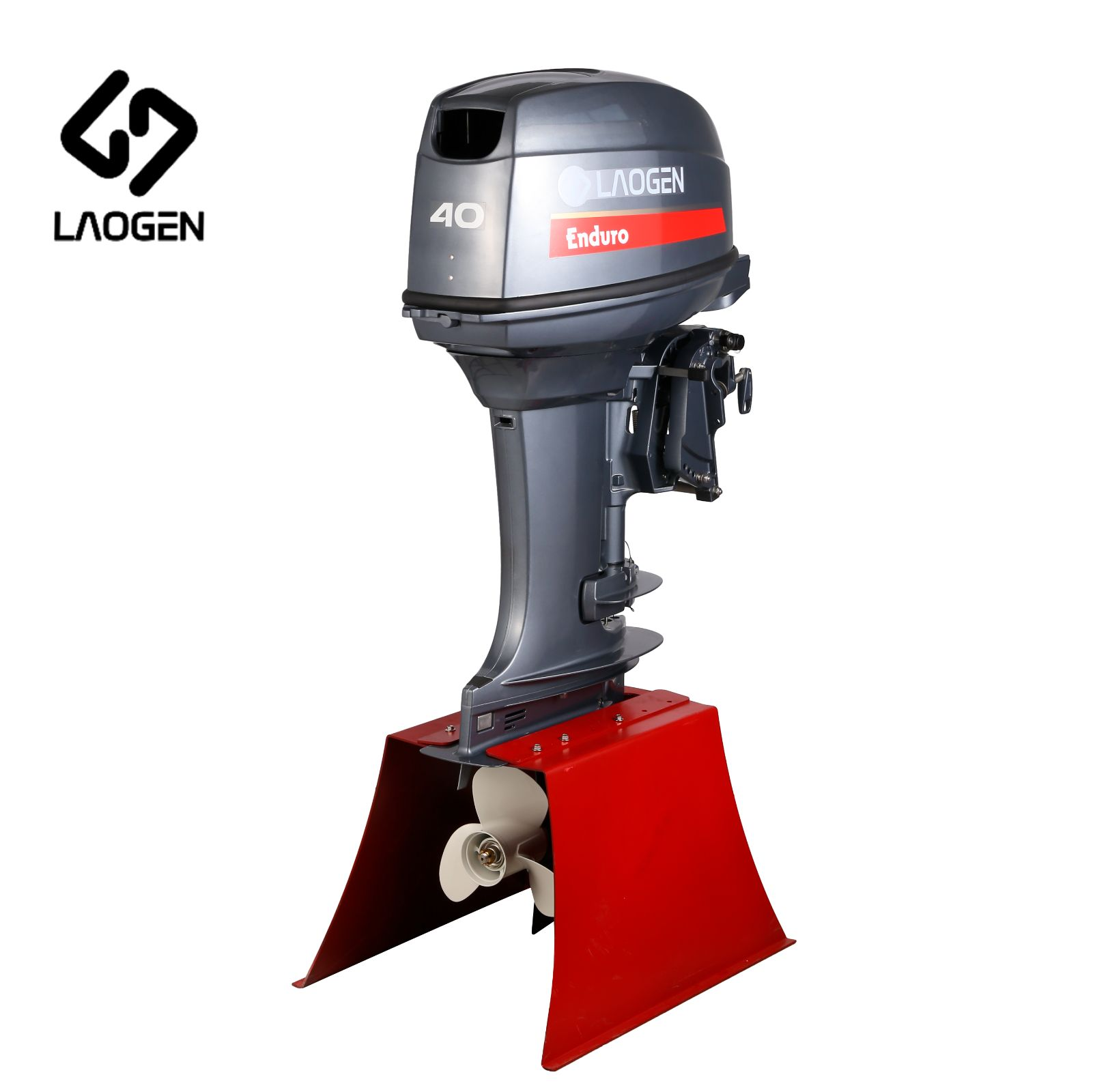
Suitable Boat Types for a 40HP Engine
A 40HP outboard engine is commonly installed on a variety of compact vessels. These include aluminum fishing boats, small fiberglass boats, and inflatable boats used for recreation or short-distance travel.
The engine size generally fits boats where moderate power is needed without excessive weight at the stern. Lightweight boats often benefit from improved maneuverability, while slightly heavier hulls gain enough thrust for stable cruising.
Boat length and hull shape also influence how effectively the engine performs on the water.
Speed and Acceleration Characteristics
Performance output depends on multiple factors beyond engine horsepower alone. Boat weight, passenger load, and water conditions all influence acceleration and top speed.
In lighter boats, acceleration may feel more responsive, especially when moving from idle to cruising speed. In heavier setups, acceleration becomes more gradual but still stable for controlled navigation.
Water conditions, such as waves or currents, can also impact performance. Calm water typically allows smoother acceleration, while rough conditions may reduce efficiency and increase resistance.
Propeller selection plays a role as well, affecting thrust and responsiveness during different speed ranges.
Fuel Consumption Behavior
Fuel usage is an important consideration for long boating trips. A 40HP engine generally consumes fuel at different rates depending on throttle position and operating style.
During cruising at a steady speed, fuel consumption tends to remain more stable. However, frequent acceleration or high-speed operation can increase fuel usage.
Several factors influence fuel efficiency:
- Boat weight and load distribution
- Engine tuning condition
- Propeller size and pitch
- Water resistance and weather conditions
Maintaining a clean fuel system may also help support consistent combustion and smoother operation.
Handling and Maneuverability
A 40HP outboard engine is often chosen for its balance between power and control. On smaller boats, steering response is usually direct, allowing operators to navigate narrow waterways or docking areas with greater precision.
At lower speeds, maneuverability is generally easier, especially in calm water environments. During higher speeds, stability depends on proper weight distribution and hull design.
Boat trim angle adjustments can also influence how the vessel interacts with water resistance, affecting both comfort and control.
Factors That Influence Overall Performance
Engine performance is not determined by horsepower alone. Several external and mechanical factors contribute to how the engine behaves during operation.
- Engine Mounting Position: Correct installation height affects water resistance and propeller efficiency. If the engine is mounted too high or too low, performance may be reduced.
- Load Distribution: Uneven weight placement inside the boat can influence balance and handling. Proper distribution helps maintain smoother movement and reduces strain on the engine.
- Propeller Condition: A damaged or unsuitable propeller can limit acceleration and affect fuel efficiency. Regular inspection helps ensure consistent performance.
- Maintenance Condition: Engines that receive regular maintenance often operate more smoothly. Clean fuel systems, proper lubrication, and cooling system care all contribute to stable operation.
Operating Conditions on Different Waters
Performance may vary depending on whether the boat is used in freshwater lakes, rivers, or coastal areas.
Calm inland waters often allow more predictable handling and smoother fuel consumption. Coastal environments, on the other hand, may introduce waves, currents, and salt exposure, which can affect both performance and maintenance needs.
Operators who frequently switch between environments often adjust engine settings and maintenance routines accordingly.
Practical Use Scenarios
A 40HP outboard engine is commonly used in situations where moderate power is sufficient for safe and efficient travel. These may include fishing activities, transport between nearby locations, or recreational cruising.
In each scenario, performance expectations differ. Fishing applications may prioritize quiet operation and stability, while transport use may focus more on steady speed and reliability.
The performance of a 40HP outboard engine depends on how well it matches the boat type and how it is operated over time. While the engine provides a flexible power range for small boats, actual results are shaped by maintenance practices, load conditions, and environmental factors. Careful setup and regular inspection help maintain consistent operation across different boating situations.

Get in touch

- Phone: +86-13606682703
- Email: [email protected]
- Tel:
- Add: Lingang Industrial Park, Jiantiao Town, Sanmen County, Taizhou City, Zhejiang Province, China.


