

 English
 русский

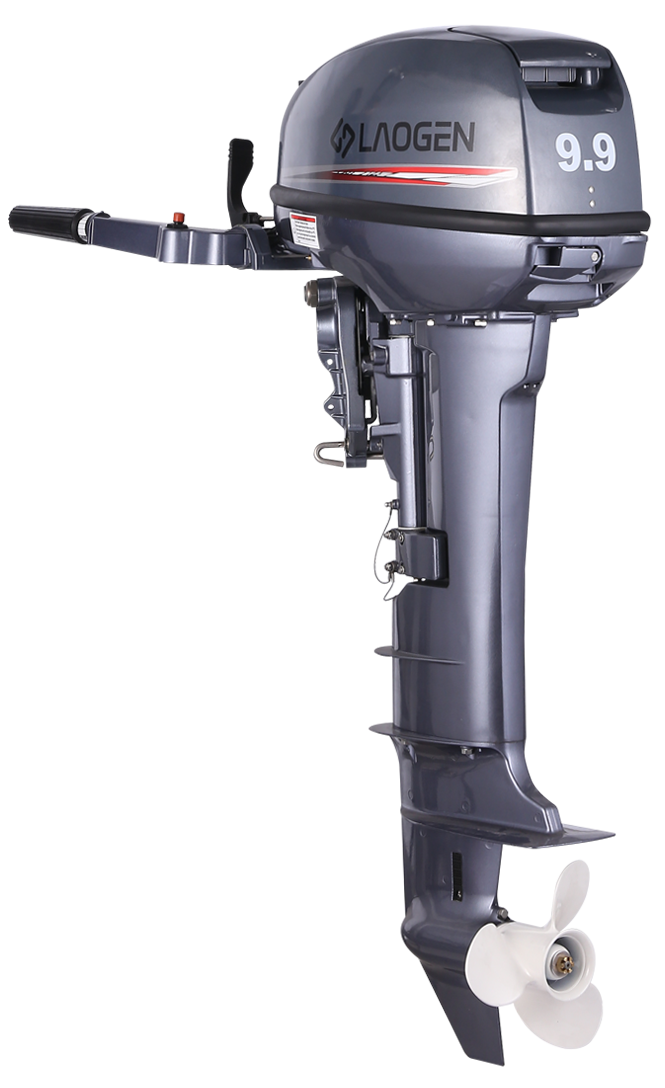
Saltwater Use: Corrosion Prevention Tips for Your 9.9HP Outboard Engine
Using a 9.9HP Outboard Engine in saltwater environments requires consistent maintenance awareness because salt exposure can gradually affect metal surfaces, cooling channels, and mechanical components over time. Compared with freshwater conditions, saltwater contains minerals that increase the likelihood of oxidation, which makes routine care an important part of long-term engine usage.
Understanding Saltwater Impact on Engine Components
Saltwater has a higher concentration of dissolved salts, which can remain on engine surfaces after operation. When water evaporates, salt crystals are left behind, and these crystals can slowly interact with metal materials. This process may affect external housings, fasteners, and internal passages if not cleaned regularly.
The cooling system is also exposed to saltwater during operation. As water flows through internal channels, small residues may remain inside narrow passages. Over time, this can influence water circulation efficiency if maintenance routines are not followed consistently. Even when the engine appears visually clean, internal buildup can still develop gradually.
Importance of Freshwater Rinsing After Use
One of the effective maintenance practices after saltwater use is freshwater rinsing. This process helps remove salt deposits from both visible and hidden areas of the engine. External flushing is usually done immediately after the operation, while internal flushing helps clear the cooling system of residual saltwater.
Freshwater rinsing also helps reduce long-term surface wear. By removing salt before it crystallizes, the risk of gradual material degradation is lowered. This step is especially important for users who operate in coastal areas or frequently transition between saltwater and freshwater environments.
Surface Protection and Anti-Corrosion Measures
Protective coatings and anti-corrosion sprays are often applied to external engine surfaces to reduce direct exposure to salt particles. These protective layers act as a barrier between metal surfaces and environmental elements, slowing down oxidation processes.
Regular application of protective treatments can help maintain surface condition over time. Areas such as bolts, brackets, and exposed metal sections benefit significantly from this type of protection. However, these coatings should be applied after proper cleaning to ensure they adhere effectively.
Sacrificial Anode Function and Maintenance
Sacrificial anodes are designed to protect key engine components by attracting corrosion activity. Instead of affecting critical parts, corrosion gradually affects the anodes, which are intended to wear down over time.
Regular inspection of these components is necessary because their effectiveness decreases as they gradually dissolve. When significant wear is observed, replacement is needed to maintain protective function. Without functioning anodes, other metal parts may become more vulnerable to corrosion over extended periods of saltwater exposure.
Cooling System Maintenance in Saltwater Conditions
The cooling system plays a central role in maintaining engine temperature during operation. Saltwater use increases the importance of flushing the system after each use. This helps prevent salt accumulation inside water channels and maintains consistent flow.
Blockages or partial restrictions in the cooling system may not always be immediately noticeable. However, over time, reduced water circulation can affect engine stability. Regular flushing ensures that internal passages remain clear and functional.
Storage Environment and Protection Practices
Proper storage is another important factor in reducing corrosion risks. After saltwater use, the engine should be stored in a dry and ventilated environment. Moist conditions can accelerate surface oxidation, especially when salt residues are still present.
Covering the engine during storage helps reduce exposure to airborne moisture and dust. It is also recommended to store the engine in a position that allows residual water to drain completely, reducing internal moisture retention.
Routine Inspection and Preventive Care
Regular inspection helps identify early signs of corrosion or wear. Key areas to check include propeller surfaces, fasteners, cooling outlets, and exposed metal parts. Electrical connectors should also be inspected for signs of moisture or salt buildup.
Preventive care is more effective when performed consistently rather than occasionally. Small maintenance actions performed regularly help reduce the likelihood of long-term damage caused by environmental exposure.
Long-Term Maintenance Habits for Saltwater Use
Long-term performance in saltwater environments depends heavily on consistent maintenance habits. Cleaning after each use, applying protective treatments, and monitoring key components all contribute to more stable engine behavior over time.
Even when the engine is not used frequently, periodic inspection and storage care remain important. Salt residues can still affect surfaces if left unattended for long periods. Maintaining a simple but consistent routine helps ensure smoother operation across different marine conditions.

Get in touch

- Phone: +86-13606682703
- Email: [email protected]
- Tel:
- Add: Lingang Industrial Park, Jiantiao Town, Sanmen County, Taizhou City, Zhejiang Province, China.


