

 English
 русский

Outboard Engine Usage and Care for Long-Term Performance
Long-term performance of marine equipment is shaped by everyday habits rather than by occasional attention. In many industries, practical tools such as a Tools Foldable Push Cart Dolly are valued because consistent handling and care extend usability over time. The same principle applies to an outboard engine. Proper usage routines and regular care practices directly influence how an engine performs throughout its service life, especially under changing environmental conditions.
Understanding how daily operation affects mechanical systems helps boat owners maintain stable performance and avoid unnecessary complications.
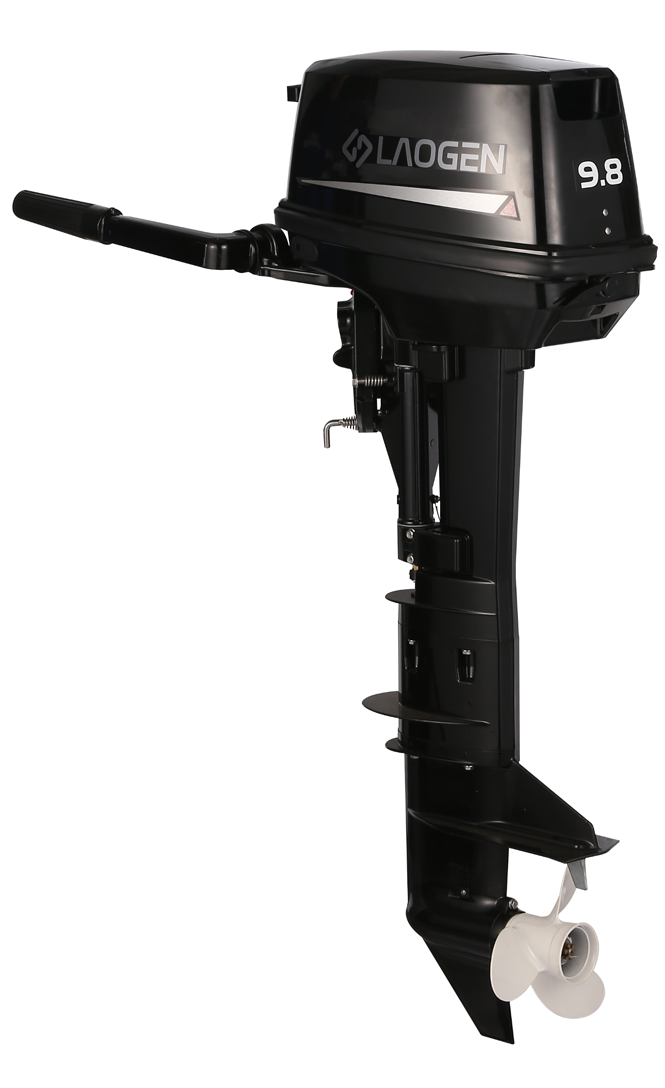
The Role of Proper Usage in Engine Longevity
Correct usage begins before the engine is even started. Preparing the boat, ensuring clear surroundings, and confirming that systems are unobstructed contribute to smoother operation. Gradual engagement allows internal components to function under stable conditions rather than sudden stress.
During operation, awareness of surroundings plays a critical role. Shallow areas, floating debris, and variable water conditions require thoughtful throttle control. Sudden adjustments may place strain on internal systems, while steady operation supports smoother mechanical interaction.
Avoiding prolonged operation in unsuitable conditions also contributes to long-term reliability. Adjusting speed and direction based on the environment helps preserve internal balance and external components.
Daily Inspection as a Preventive Practice
Routine inspection does not require complex procedures, but consistency matters. Visual checks of mounting points, external housing, and visible connections help identify early signs of wear.
Cooling systems deserve attention because unobstructed flow supports stable operation. Even minor blockages can affect performance over time if left unnoticed.
Propeller condition influences overall movement and balance. Regular inspection helps ensure smooth interaction between engine output and water resistance. Addressing small issues early prevents more disruptive adjustments later.
Cleaning and Environmental Awareness
After use, cleaning external surfaces helps reduce exposure-related effects. Residue from water and environmental elements can accumulate gradually, influencing long-term condition.
Environmental awareness also shapes care routines. Engines used in varying climates or water conditions may require different attention patterns. Adapting care routines to operating environments supports consistent performance.
Maintenance as an Ongoing Responsibility
Maintenance is not a single event but a continuous process. Monitoring how the engine responds during normal use helps identify changes in behavior. Familiarity with normal operation makes it easier to notice deviations.
Simple checks performed regularly contribute to stable function. Observing sound patterns, vibration levels, and response behavior supports informed decision-making regarding care.
Storage and Periods of Inactivity
When an outboard engine is not in active use, storage preparation becomes essential. Cleaning before storage helps preserve external materials and internal components.
Proper positioning supports structural balance during periods of inactivity. Protection from moisture and environmental exposure reduces unnecessary impact during downtime.
Before returning the engine to active use, reviewing visible systems and ensuring free movement of components supports a smoother restart.
Building Consistent Care Habits
Habits rather than reactions support long-term performance. Integrating inspection, cleaning, and careful operation into routine boating practices reduces uncertainty and supports confidence during use.
Over time, these habits contribute to predictable performance and a more reliable boating experience.
Outboard engine longevity depends on consistent usage and thoughtful care rather than occasional attention. By adopting stable operating habits, regular inspection routines, and mindful storage practices, users support reliable long-term performance across changing conditions and seasons.

Get in touch

- Phone: +86-13606682703
- Email: [email protected]
- Tel:
- Add: Lingang Industrial Park, Jiantiao Town, Sanmen County, Taizhou City, Zhejiang Province, China.


