

 English
 русский

Outboard Engine Power Options for Different Boat Sizes
When selecting marine propulsion equipment, boat size plays a decisive role in determining suitable engine power. The same practical thinking that leads users to rely on a Tools Foldable Push Cart Dolly for handling varying loads on land also applies when choosing an outboard engine for boats of different dimensions. Matching engine power to boat size supports balanced handling, predictable movement, and consistent operation across different water conditions.
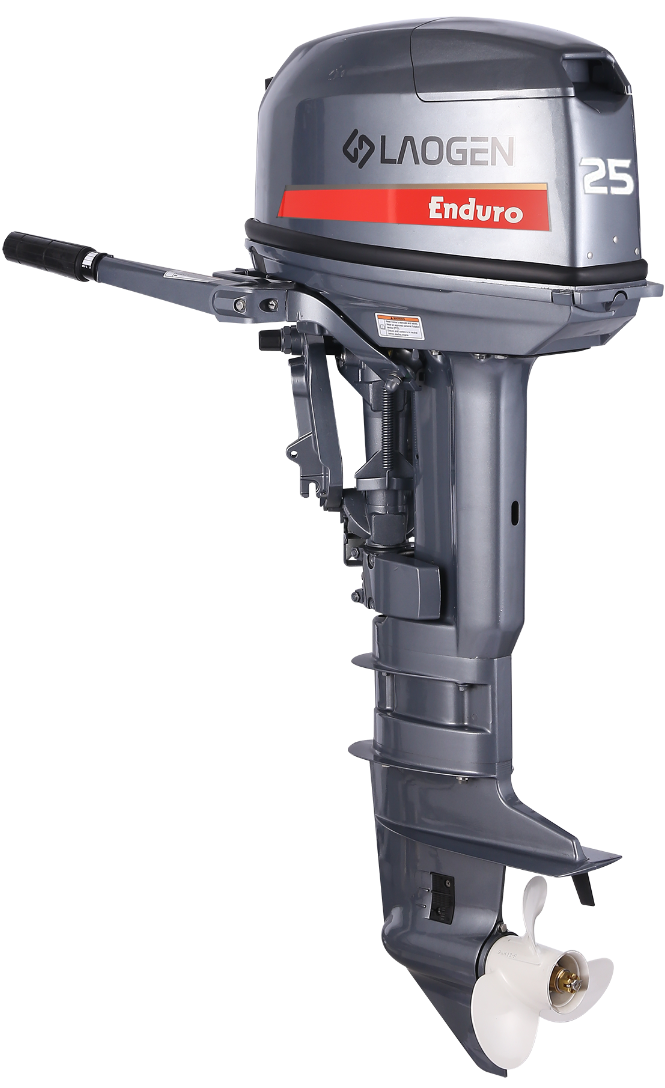
Outboard engines are widely used because they offer flexibility in power selection, allowing boat owners to adapt propulsion systems to specific vessel characteristics rather than forcing a one-size approach.
Understanding the Relationship Between Boat Size and Power
Boat size influences weight distribution, hull behavior, and resistance in water. As a boat increases in length and carrying capacity, the demand placed on the engine changes accordingly. Selecting power without considering these factors may result in handling challenges, inefficient operation, or increased mechanical strain.
Outboard engine power selection is not solely about movement speed. It also affects steering response, stability during turns, and the ability to maintain control when environmental conditions vary.
Power Considerations for Small Boats
Small boats are commonly used for short-distance travel, fishing activities, or calm-water recreation. These boats benefit from outboard engines that emphasize manageable weight and straightforward operation.
Engines in this category are often chosen for ease of installation and removal, especially for users who transport boats frequently. Smooth low-speed behavior is particularly important, as small boats may operate near shorelines or confined areas where precision matters more than sustained propulsion.
Another factor is user experience. Many small boat operators value simple control layouts and predictable throttle response, allowing them to focus on navigation rather than constant adjustments.
Power Selection for Medium-Sized Boats
Medium-sized boats cover a wide range of uses, from recreational cruising to practical transport. These vessels require balanced power that supports both steady cruising and responsive maneuvering.
In this category, outboard engines are selected with attention to how power delivery interacts with hull shape. Proper matching helps maintain stability when carrying passengers or equipment while still allowing smooth acceleration.
Medium boats may also experience varied usage patterns. An engine that adapts well to both relaxed movement and occasional higher-demand situations supports versatility without introducing unnecessary complexity.
Power Needs for Larger Boats
Larger boats place different demands on propulsion systems. Increased hull size and load capacity require engines that deliver consistent thrust and controlled handling.
Outboard engines selected for larger boats often focus on maintaining stability during longer operating periods. Controlled acceleration and reliable response are essential when managing increased momentum.
Installation considerations become more detailed at this scale. Mounting alignment and integration with steering systems influence how effectively power is transferred to movement.
The Importance of Balanced Power Selection
Selecting engine power based solely on size assumptions can overlook real-world usage. Load distribution, typical routes, and operating conditions all influence how power is experienced during use.
A well-matched outboard engine supports smooth transitions between speeds, predictable handling, and reduced operational stress over time.
Outboard engine power options are many, effective when selected in relation to boat size and practical use. By focusing on balance rather than excess or limitation, users support safer operation and consistent performance across varied marine activities.

Get in touch

- Phone: +86-13606682703
- Email: [email protected]
- Tel:
- Add: Lingang Industrial Park, Jiantiao Town, Sanmen County, Taizhou City, Zhejiang Province, China.


