

 English
 русский

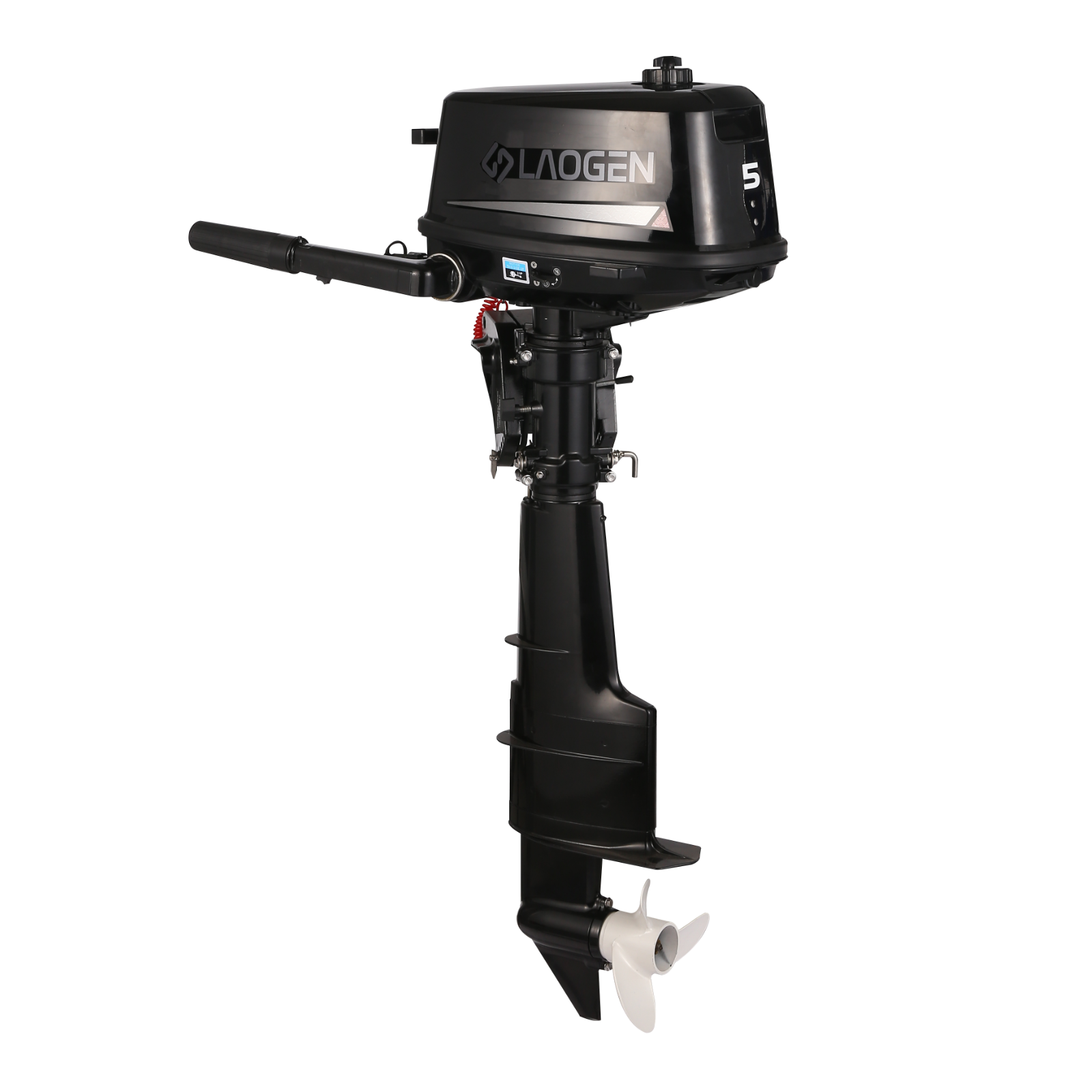
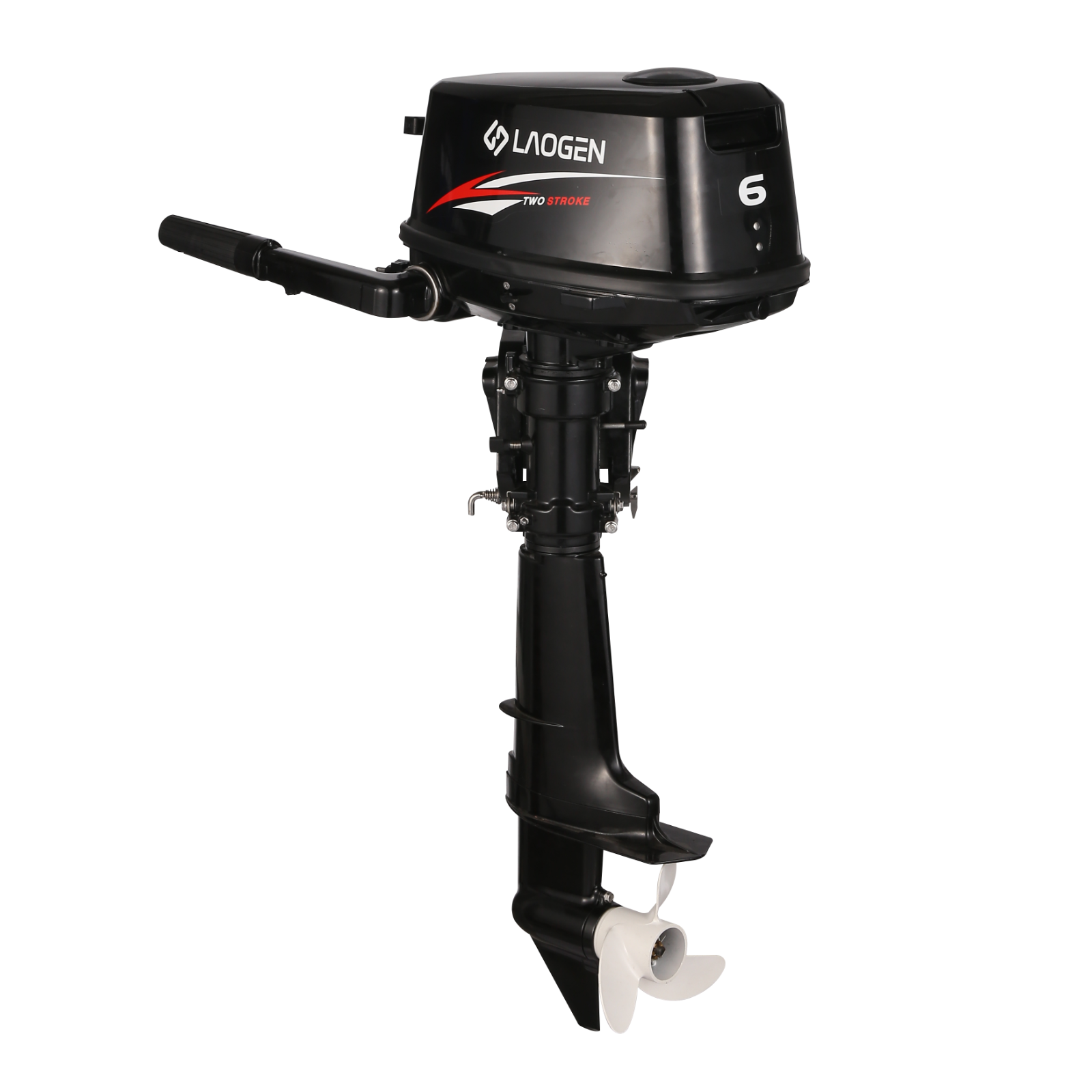
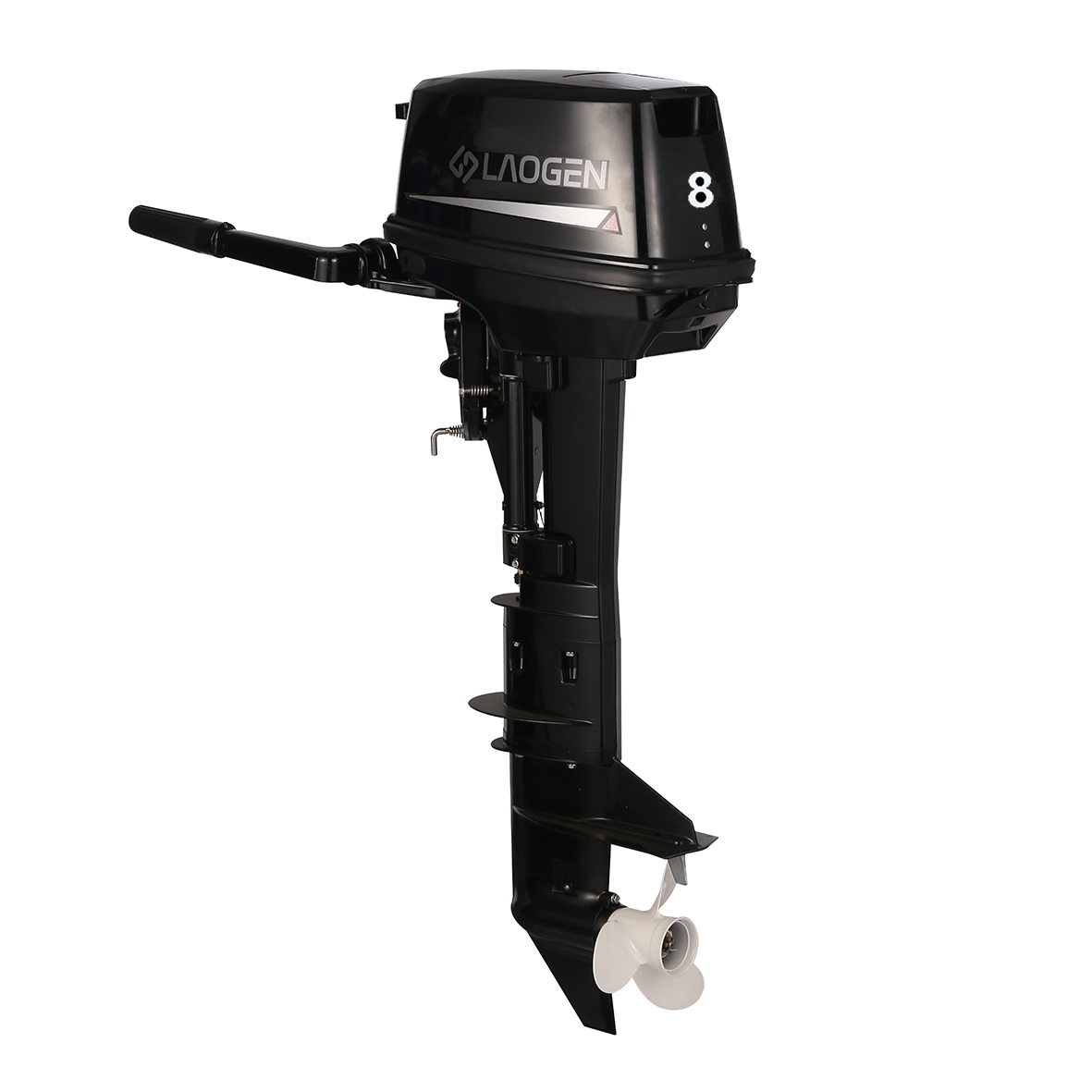
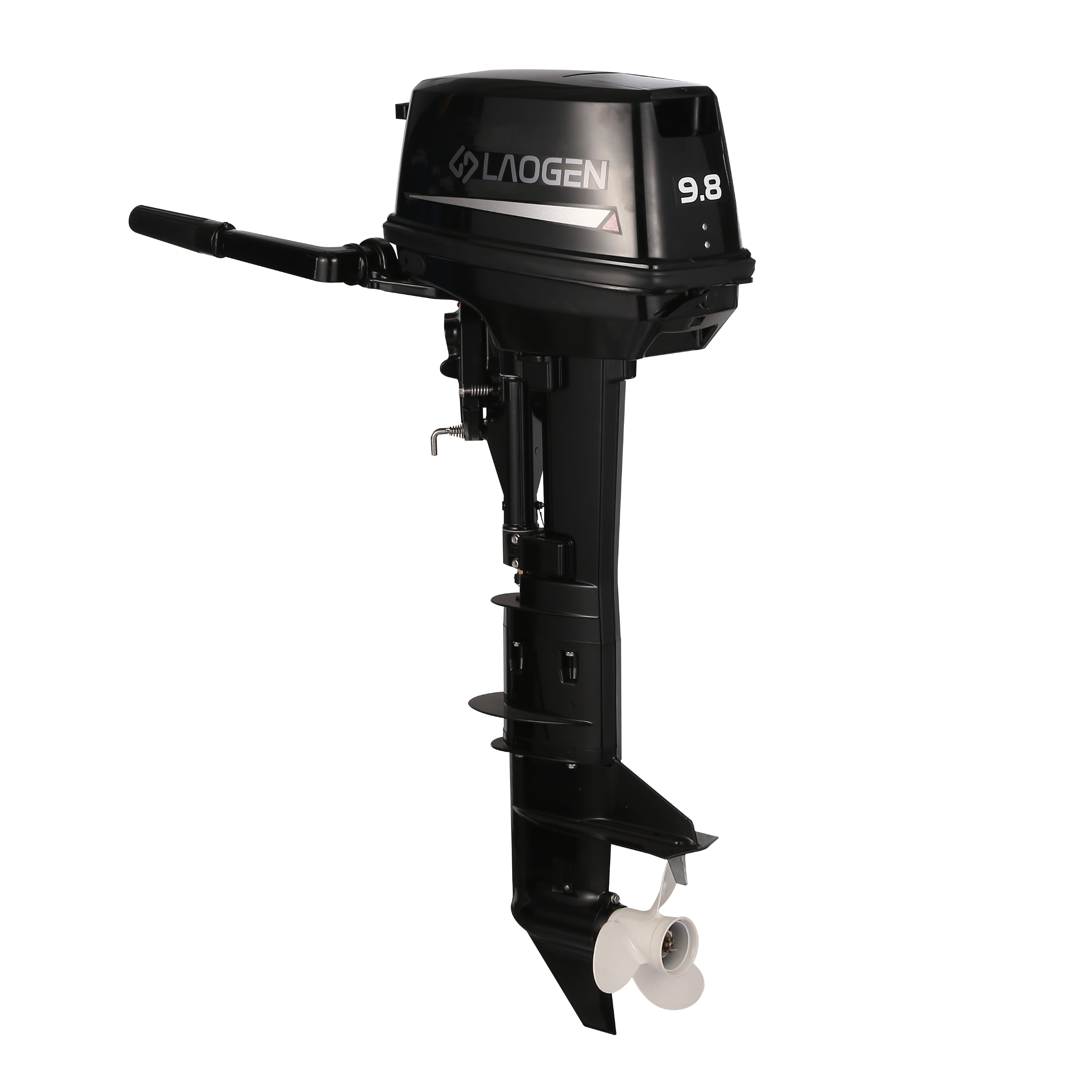
Outboard Engine Applications Across Fishing, Leisure, and Work Boats
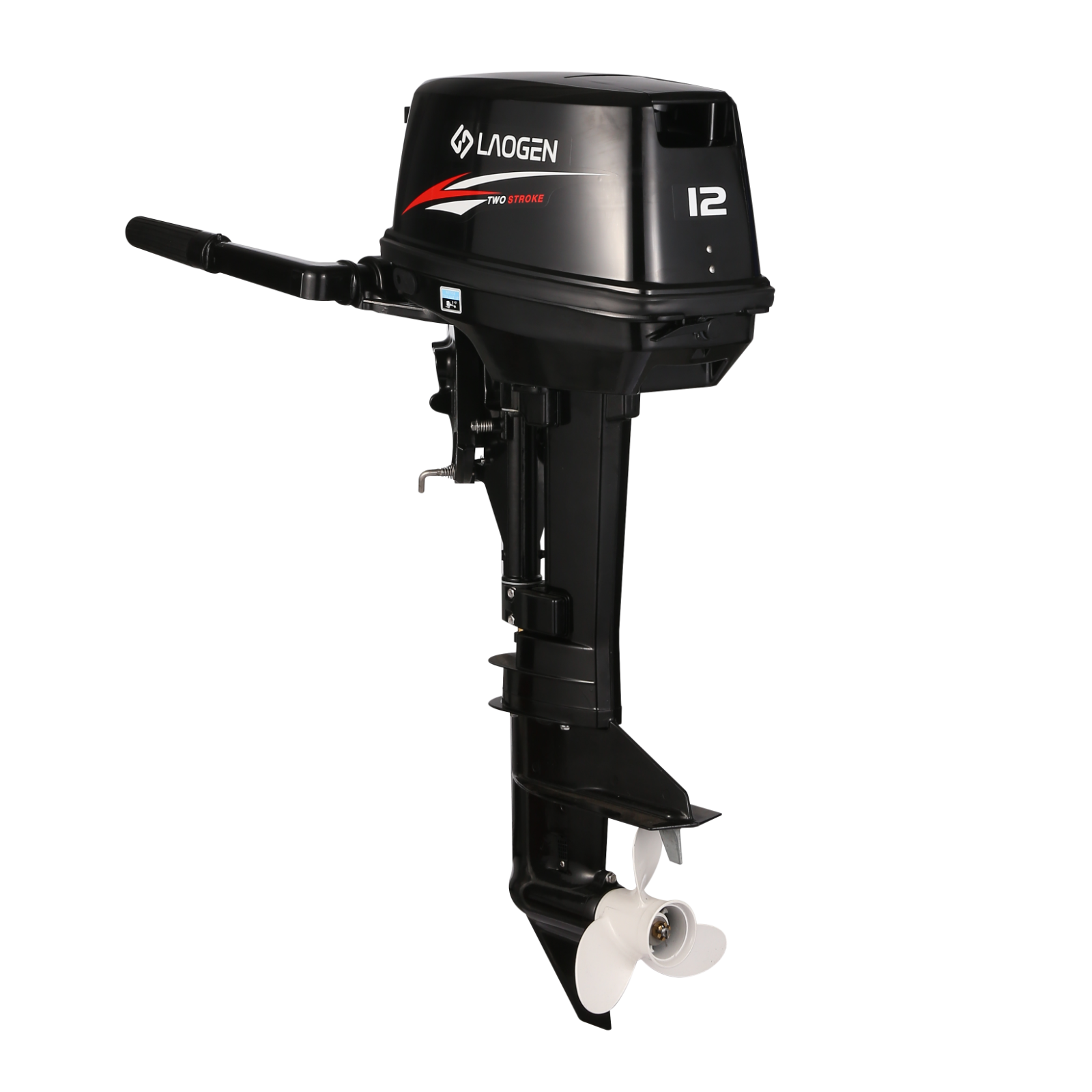
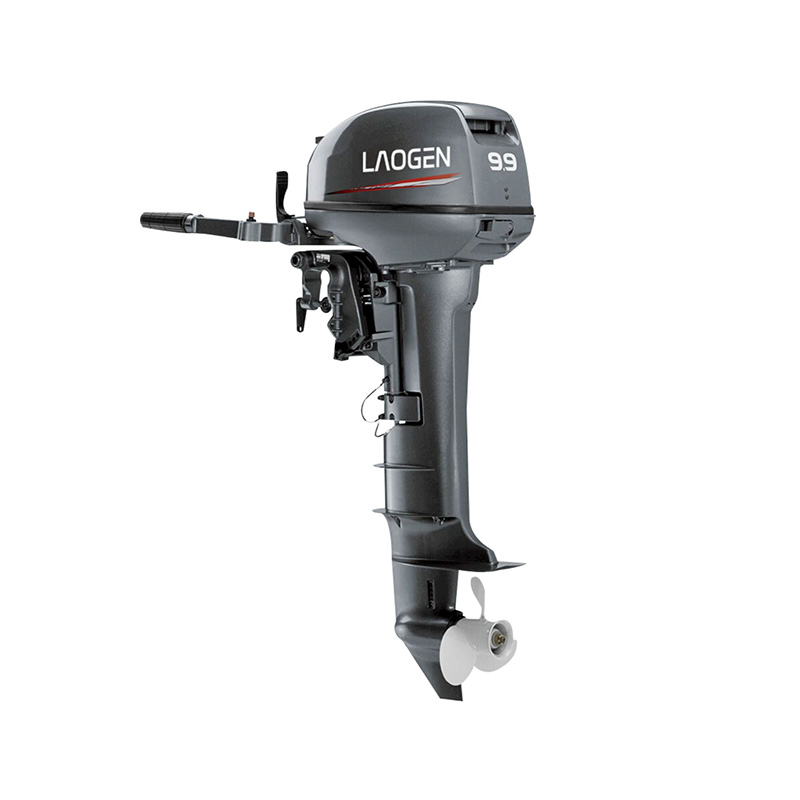
In discussions about marine equipment selection, mobility and practical handling often come up alongside propulsion systems. Interestingly, the same mindset that leads buyers to choose a Tools Foldable Push Cart Dolly for flexible transport also influences how an outboard engine is selected for different boat applications. Outboard engines are widely used across fishing boats, leisure vessels, and work boats because they adapt well to varied operational needs. Understanding how application scenarios shape engine selection helps users make informed and realistic decisions.

Outboard Engines in Fishing Boat Applications
Fishing boats often operate in environments that require precise control rather than constant speed. In many cases, these boats navigate shallow waters, narrow channels, or areas with vegetation. Outboard engines suit this application because they allow for easy tilt adjustment, helping reduce the risk of underwater contact.
Another key factor in fishing scenarios is engine behavior during long periods of low-speed operation. Anglers may spend extended time moving slowly or idling while positioning the boat. An outboard engine designed for stable low-speed performance supports this usage pattern while reducing unnecessary stress on components.
Noise awareness is also part of fishing-related engine considerations. While absolute silence is unrealistic, smoother operation contributes to a more controlled environment. This is especially relevant for those who fish in calm waters where engine behavior is more noticeable.
Leisure Boat Applications and User Experience
Leisure boats serve a different purpose, focusing on comfort, ease of operation, and overall enjoyment. These boats may be used for family outings, sightseeing, or casual cruising. In such cases, outboard engines are chosen not only for propulsion but also for how they integrate into the overall boating experience.
Ease of starting, predictable throttle response, and straightforward controls are commonly valued in leisure settings. Many users in this category may not operate boats frequently, so intuitive engine behavior reduces learning pressure and enhances confidence on the water.
Leisure boats also vary widely in size and layout. Outboard engines offer installation flexibility, making them suitable for diverse hull designs. This adaptability allows boat owners to focus on layout and passenger space without overly complex propulsion constraints.
Work Boats and Practical Demands
Work boats are typically used for transport, maintenance, patrol, or service-related tasks. These boats operate on regular schedules and may encounter varied environmental conditions. In such cases, reliability and consistent operation become primary concerns.
Outboard engines are often selected for work boats because they allow easier access for inspection and routine care. When maintenance tasks are part of normal operations, having external access to key components simplifies daily checks.
Work boats may also carry tools, equipment, or cargo, which influences engine load behavior. Selecting an outboard engine that aligns with these operational realities supports steady performance throughout daily tasks.
Across fishing, leisure, and work boat applications, outboard engines demonstrate flexibility that aligns well with real-world usage. Just as practical transport tools support efficient workflows on land, thoughtfully chosen outboard engines contribute to effective and enjoyable experiences on water. Application-driven selection remains a guiding principle for long-term satisfaction.
Matching the Engine to the Mission
The journey to selecting the right outboard begins by honestly defining the vessel's primary mission. An engine that excels in the quiet, precise world of fishing may not be the many comfortable choice for a family pontoon, and a leisure-focused engine might not hold up to daily commercial abuse. By prioritizing the operational needs specific to fishing, leisure, or work, boaters can narrow their choices effectively. Consider the complete picture of how the boat will be used, stored, and maintained. From the necessity of a reliable Tools Foldable Push Cart Dolly for manageable storage ashore to the required performance metrics on the water, every aspect should align with the engine's intended application to ensure a successful and enduring partnership between vessel and power.

Get in touch

- Phone: +86-13606682703
- Email: [email protected]
- Tel:
- Add: Lingang Industrial Park, Jiantiao Town, Sanmen County, Taizhou City, Zhejiang Province, China.


