

 English
 русский

Outboard Motor Parts: Troubleshooting and Replacement Solutions
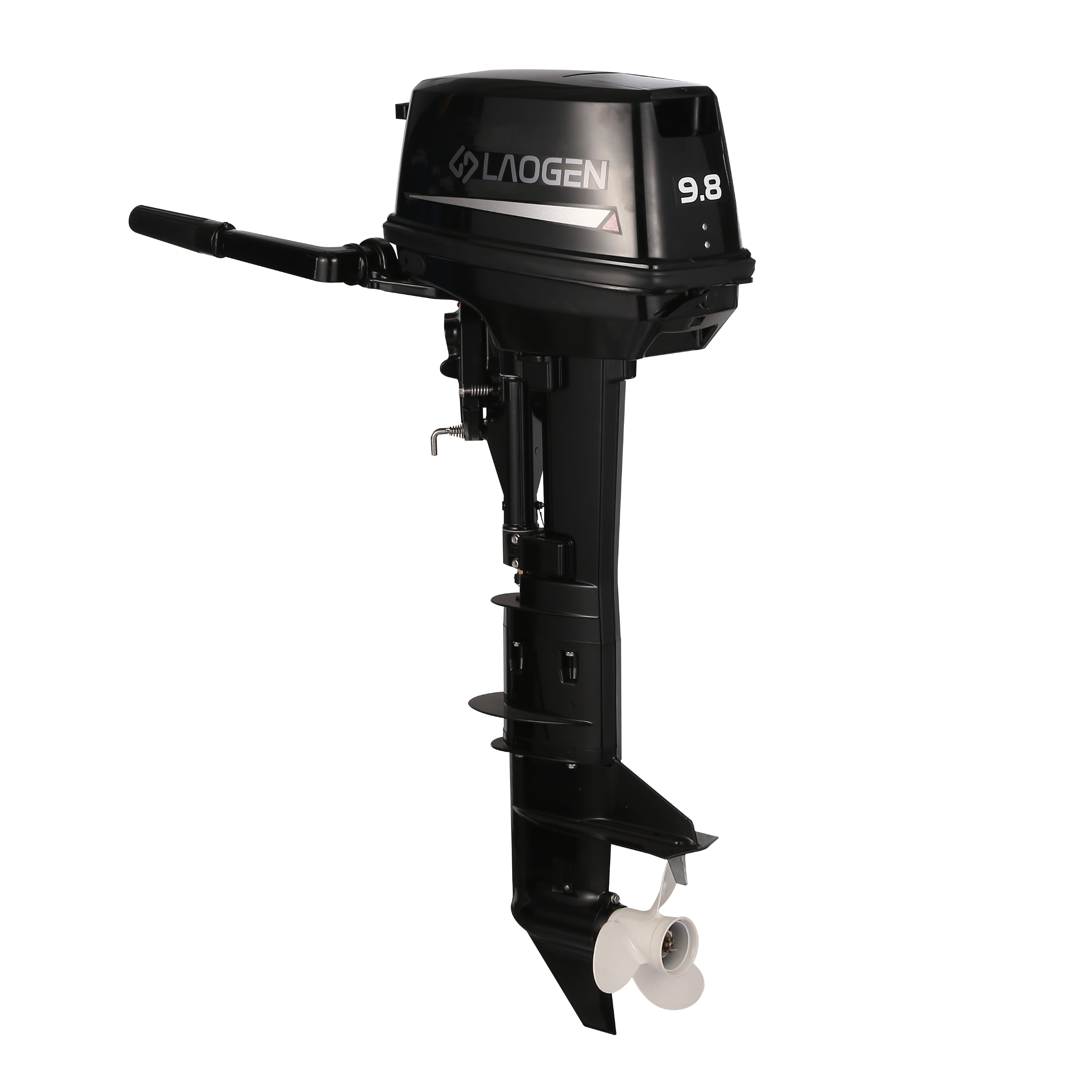
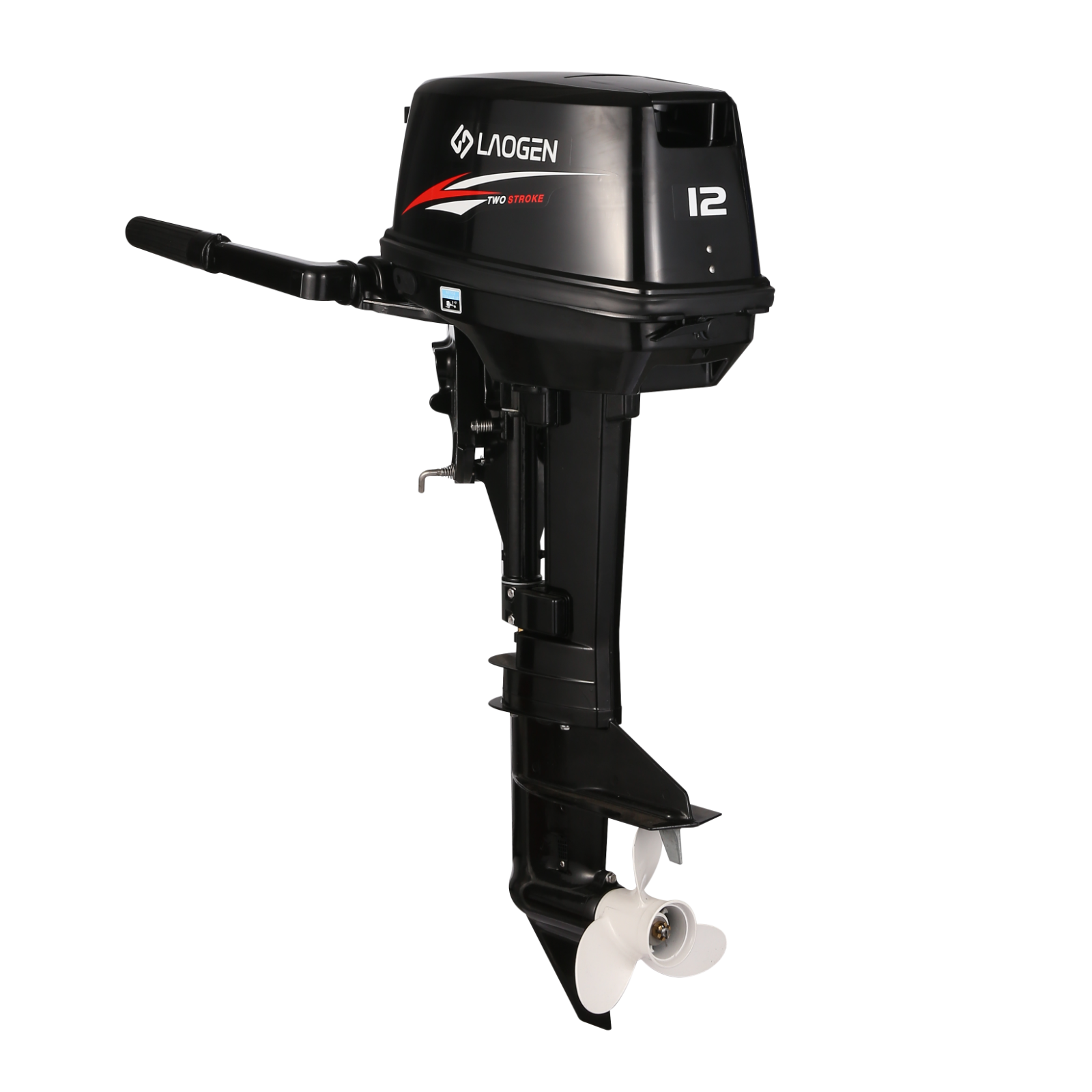
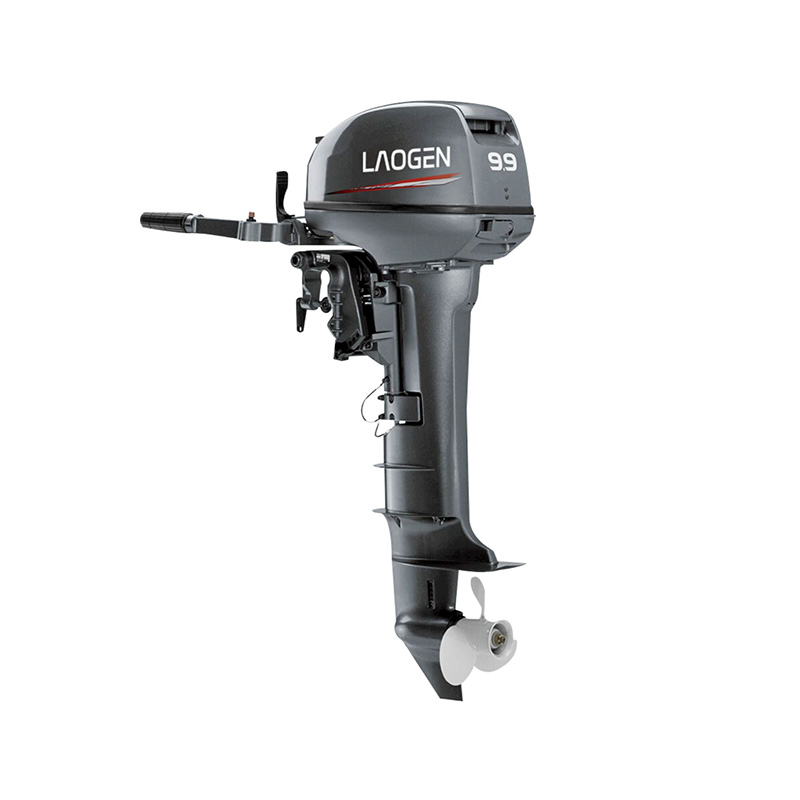
When a reliable 9.9HP outboard engine experiences an operational change, a systematic approach to identifying the cause is a practical one-step approach. Many common symptoms can be connected to the wear or failure of specific outboard motor parts. Understanding these connections provides a roadmap for diagnosis and points toward potential replacement solutions. This process of matching symptoms to systems helps in making informed decisions about maintenance and repair, restoring the engine to its expected function.

Addressing Starting and Running Concerns
Difficulty in starting or an inconsistent run often directs attention to the ignition or fuel systems. For ignition, the spark plugs are a logical starting point. Fouled, corroded, or improperly gapped plugs can prevent a strong spark. Checking and replacing them is a standard initial step. If the issue continues, inspection may extend to the ignition coil or, on older models, the points and condenser. On the fuel side, an old fuel filter can restrict flow, while a malfunctioning fuel pump may not deliver adequate fuel to the carburettor. For carbureted 9.9HP outboards, a clogged jet or a stuck float needle, often addressed with a carburettor repair kit, can cause flooding or lean running. Ensuring the fuel itself is fresh and uncontaminated is always a fundamental check.
Solving Overheating and Power Loss
A noticeable drop in power or signs of overheating typically involve the cooling or exhaust systems. A lot of common contributor is the water pump. A worn impeller within the pump kit fails to move enough water to cool the 9.9HP outboard engine, poilt to elevated temperatures. Replacing the complete water pump kit is the standard corrective action. Thermostat failure, where a stuck-closed thermostat blocks coolant flow, is another possibility. In some cases, power loss can stem from a restricted exhaust path due to carbon buildup in the exhaust ports or a damaged exhaust gasket, requiring cleaning or gasket replacement.
Correcting Vibration and Unusual Noises
New vibrations or sounds usually indicate a physical issue with rotating components or mounting hardware. The one item to inspect is the propeller. A bent blade, even slightly, can create significant vibration. Removing the propeller to check for damage, dings, or fishing line wrapped around the shaft is a straightforward process. If the propeller is sound, the engine mounts should be examined. Deteriorated rubber isolators in the mounting bracket can transfer more engine vibration to the transom. In the lower unit, worn drive shaft bearings can produce a growling or rumbling sound, indicating a need for gear case service and bearing replacement.
Managing Electrical and Charging Issues
For 9.9HP outboard engines with electric start and charging capability, problems in this area have their own diagnostic path. If the starter solenoid clicks but the motor doesn't turn, the battery, cables, and starter motor connections require inspection. A battery that will not hold a charge points to the charging system. The alternator (stator) and voltage regulator/rectifier are the key outboard motor parts here. A failed stator will not generate alternating current, while a faulty rectifier will not convert it to direct current to charge the battery. Testing these components’ output with a multimeter, following the service manual’s guidelines, can identify which part needs replacement.
A methodical approach to troubleshooting a 9.9HP outboard engine involves observing symptoms and connecting them to the relevant systems and outboard motor parts. From starting problems rooted in ignition components to vibrations caused by propeller damage, many issues have established diagnostic procedures and replacement solutions. Developing familiarity with these patterns empowers owners to perform basic checks, communicate effectively with technicians, and understand the repairs undertaken to return their marine engine to reliable service. This logical process is central to responsible ownership and long-term use.

Get in touch

- Phone: +86-13606682703
- Email: [email protected]
- Tel:
- Add: Lingang Industrial Park, Jiantiao Town, Sanmen County, Taizhou City, Zhejiang Province, China.


