

 English
 русский

9.9HP Outboard Engine: Tips for Easy Installation and Portability
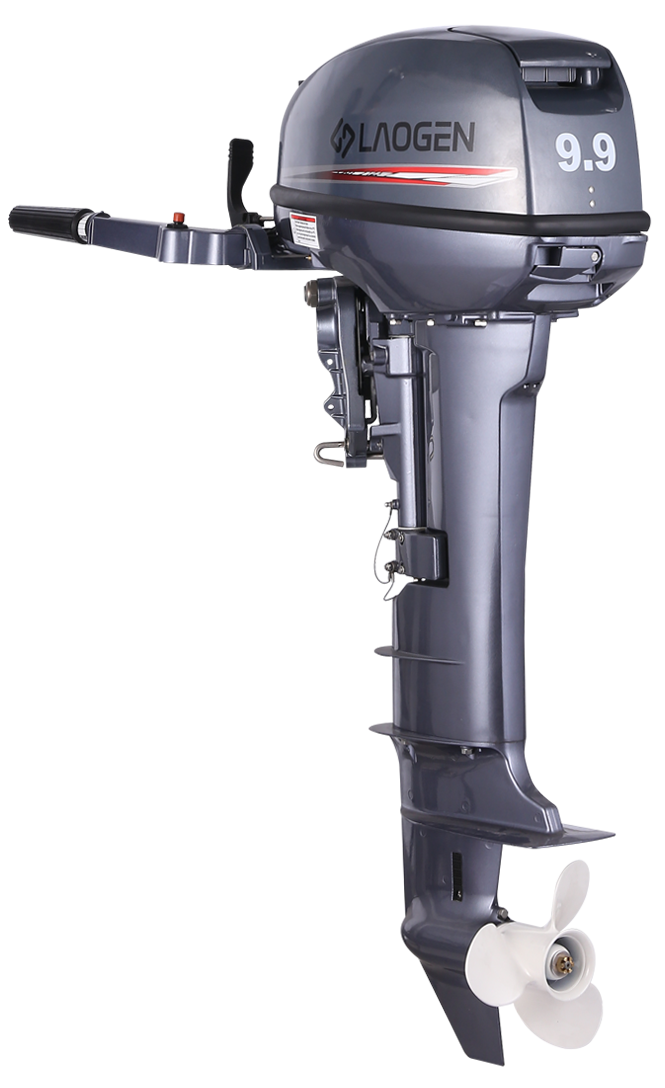
Installing and transporting an outboard engine should feel manageable, especially for boat owners who frequently attach or remove their engine. The 9.9HP Outboard Engine category remains popular among small-vessel users because it balances functional propulsion with portable structure. However, even with modest weight, installation still requires thoughtful preparation.
Preparing for Installation
Before attaching the engine, boat owners should inspect the transom to ensure its surface remains clean and free from cracks. Verifying that the transom height aligns with the engine’s shaft version prevents operational issues later. Ensuring the presence of basic tools such as screwdrivers and wrenches helps streamline the process.
Users should position the boat on stable ground or ensure it floats securely near a dock. A stable platform reduces the chance of strain or mishandling while lifting the engine.
Safe and Efficient Mounting Steps
To begin installation, users typically place the engine carefully onto the transom bracket. Aligning the mounting clamps with the transom edge helps achieve a secure grip. Tightening the clamps evenly ensures balanced attachment, reducing vibration during movement.
Securing the engine, connecting the fuel line, attaching the safety shut-off mechanism, and verifying that the throttle and steering tiller move freely are the essential steps of setup. Inspecting the propeller area to ensure it remains free of obstructions is also necessary.
Adjusting Tilt and Trim
Proper tilt adjustment helps the boat achieve smoother movement and better fuel usage. When the engine sits too far inward or outward, the boat may struggle to rise smoothly over the water. Boat owners can experiment with small increments of tilt adjustment to find the angle that creates balanced movement.
Trim settings influence how the boat rises or lowers at the bow. Although adjustment varies across models, users should aim for a balanced position that avoids excessive spray or bow rise.
Portability Tips for Transport and Storage
Because many users carry their 9.9HP engine between home, dock, and vehicle, portability becomes a major factor. Using a strap with a padded grip allows for more comfortable lifting. Keeping the engine upright during transport helps maintain internal lubrication balance.
When transporting the engine by vehicle, securing it with brackets, straps, or foam padding prevents unnecessary movement. Storing it away from direct sunlight in a dry area helps protect its exterior and internal components.
On-Water Removal and Emergency Handling
There may be situations where boaters need to remove the engine while on the water, such as for emergency repairs or when transferring power to another vessel. In such cases, the key is maintaining balance. Kneeling or sitting with legs braced reduces the risk of slipping. Keeping a secure grip on the engine’s carry handle ensures safe handling while lowering or lifting.
Routine Checks After Installation
Once the engine is installed, users should check for vibration, misalignment, or unusual noise. Ensuring fuel lines stay firmly attached, steering actions remain smooth, and the propeller rotates evenly contributes to safe operation.
Installing and transporting a 9.9HP Outboard Engine does not need to be difficult. With proper preparation, controlled lifting, careful mounting, and thoughtful transport techniques, boat owners can enjoy smooth transitions between storage and use. These simple practices help protect both the engine and the vessel, creating a safer and more enjoyable boating experience.

Get in touch

- Phone: +86-13606682703
- Email: [email protected]
- Tel:
- Add: Lingang Industrial Park, Jiantiao Town, Sanmen County, Taizhou City, Zhejiang Province, China.


