

 English
 русский

9.9HP Outboard Engine: Key Factors to Consider Before Buying
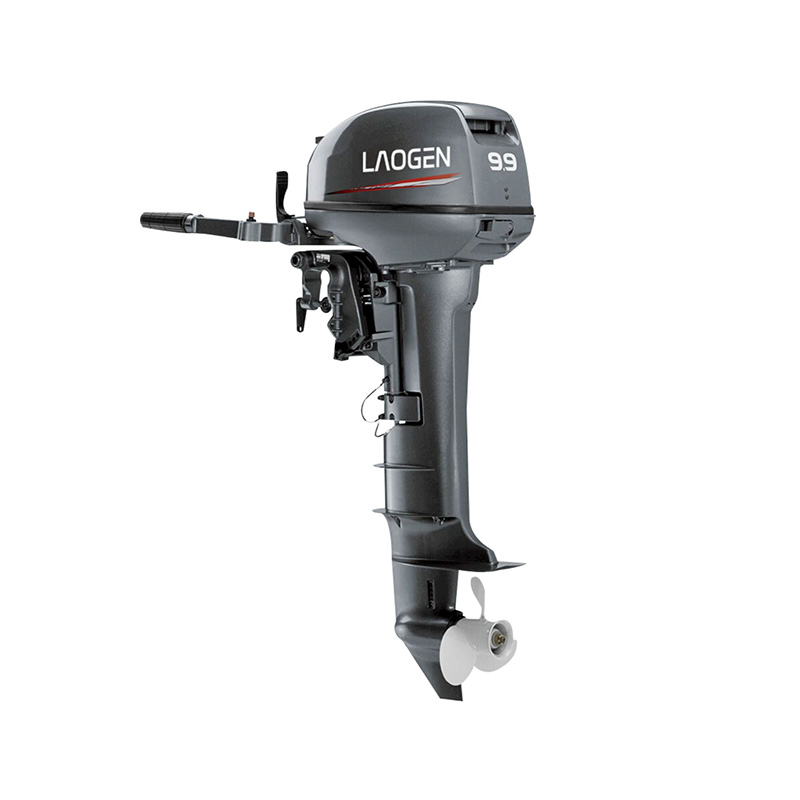
Selecting the right engine affects a boat’s performance, convenience, and safety. For small-vessel owners, the 9.9HP Outboard Engine remains a popular option due to its balanced characteristics. Still, different models offer varied benefits, and understanding what to consider before purchasing helps buyers make confident decisions.
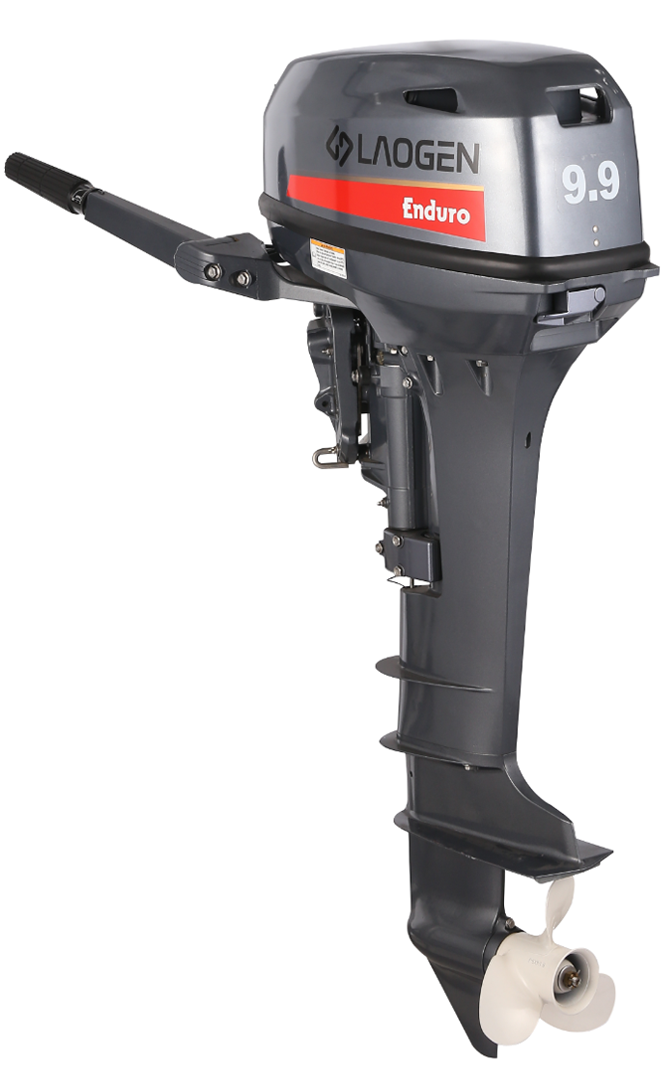
Identifying Your Primary Boating Purpose
Boat owners use their vessels for different reasons: leisure cruising, fishing, daily transport, shoreline exploration, or utility tasks. Each activity brings distinct expectations. Leisure riders often value smooth acceleration and quiet operation. Fishing users may prefer steady low-speed control. Utility users may seek dependable thrust under frequent stop-and-go conditions.
Defining usage habits becomes one of the strongest factors when choosing an engine. Matching the boat’s purpose with the engine’s characteristics provides a solid foundation for the decision.
Evaluating Power and Performance Compatibility
Although the 9.9HP category provides moderate push suitable for small vessels, individual models may vary in acceleration feel, throttle response, and handling. Hull design, boat load, and typical water conditions influence how the engine performs on a given vessel.
Those navigating calm waters often find this category sufficient, while those who travel through areas with stronger resistance may look for a model that offers slightly firmer throttle control or more pronounced low-end strength.
Considering Portability and Handling Convenience
Portability plays a major role for owners who regularly remove their engine for transport or storage. Handles, weight balance, and frame structure determine how comfortable the engine feels when lifted. Some models may feature ergonomic grips or smoother contours that make carrying easier.
Handling during operation also matters. The responsiveness of the tiller, balance of the steering motion, and vibration feel influence long-term comfort. A model that offers steady control and minimal strain enhances the boating experience.
Matching Shaft Length and Transom Height
A suitable shaft length ensures the propeller remains properly submerged, supporting smooth thrust delivery. Before purchasing an engine, buyers should measure their transom height and choose a version that aligns with it.
Selecting the appropriate length prevents splashing, cavitation, and inconsistent movement. This simple measurement often determines how effectively the engine interacts with the water.
Reviewing Maintenance Needs and Operating Practicality
Engines require periodic care, and buyers should consider whether the model offers simple access to essential service points. Drain screws, oil caps, fuel filters, and flushing ports should be easy to reach.
In addition to maintenance convenience, long-term parts access is important. Some models may offer broader compatibility with common fuel lines, lubricants, or generic components. Selecting a model that supports uncomplicated service operations makes the ownership experience more enjoyable.
Budget Planning and Long-Term Value
Buyers should not only consider the purchase price but also long-term fuel use, maintenance costs, and expected lifespan. An engine that fits the user’s boating habits, water environment, and vessel characteristics may deliver better value over time.
Prospective buyers benefit from analyzing their typical usage scenario. Those who boat frequently may prioritize durability and handling comfort. Those who use their vessel occasionally may focus more on portability and simple maintenance.
Purchasing a 9.9HP Outboard Engine involves more than selecting a power category. Buyers must consider usage needs, power demands, portability, shaft compatibility, maintenance simplicity, and long-term operating value. By evaluating these factors carefully, boat owners can choose an engine that aligns with their expectations and supports stable performance across various boating experiences.

Get in touch

- Phone: +86-13606682703
- Email: [email protected]
- Tel:
- Add: Lingang Industrial Park, Jiantiao Town, Sanmen County, Taizhou City, Zhejiang Province, China.


