

 English
 русский

9.9HP Outboard Engine Maintenance: Five Simple Steps to Extend Its Lifespan
Routine care is the foundation of long-lasting performance for any small-vessel power system, and the 9.9HP Outboard Engine is no exception. Regardless of how frequently a boat owner uses their engine, a consistent maintenance schedule can greatly support smooth operation. By paying attention to a few essential practices, boat owners can reduce mechanical issues and preserve engine quality over time.
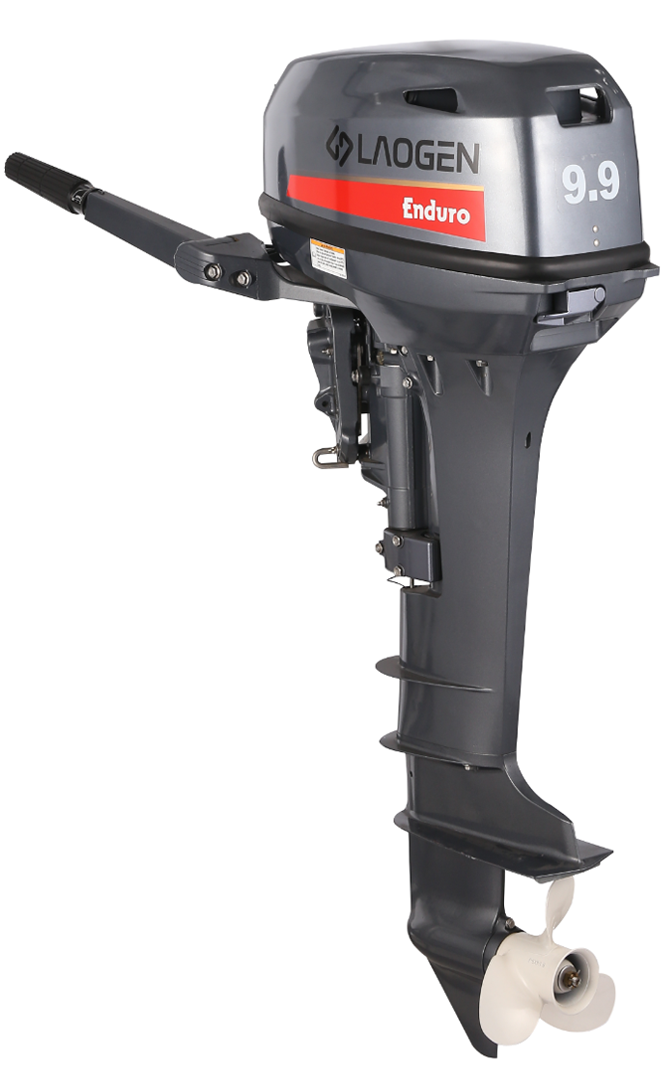
Step One: Routine Inspection of Lubrication and Fuel Systems
The lubrication system plays a crucial role in preventing friction and internal strain. Users should regularly check the condition of engine oil, making sure it maintains a clear appearance and workable viscosity. When oil begins to darken or thicken, it may indicate the need for replacement.
Fuel systems also require periodic attention. Impurities, moisture, and degraded fuel can restrict movement inside internal channels. Boat owners benefit from ensuring fuel remains fresh and that filters remain clean and unobstructed. Inspecting fuel lines for softness, cracks, or wear helps avoid interruptions during use.
Step Two: Cleaning and Lubricating Key Components
Saltwater, moisture, and organic debris often settle on the external surfaces of an engine. Over time, these contaminants can form residue that interferes with cooling efficiency or contributes to corrosion. Rinsing the engine with clean water after each outing helps remove harmful particles.
In addition, lubricating moving parts such as the steering pivot, throttle linkages, and cable connections helps them remain smooth during operation. Proper lubrication also supports comfortable steering and reduces noise created by friction.
Step Three: Inspecting the Propeller and Drive Components
The propeller directly influences vessel movement, making its condition important for overall performance. Boat owners should routinely inspect for dents, chips, or bent blades. Even small irregularities may produce vibration or uneven thrust.
Removing the propeller periodically allows inspection of the shaft area, which can collect fishing lines or debris. Ensuring the propeller nut stays secure helps prevent unexpected detachment. Checking drive components for wear or looseness supports balanced rotation and smoother travel.
Step Four: Seasonal and Long-Term Storage Preparations
When storing the engine for an extended period, owners should take steps to protect internal channels from moisture accumulation. Draining fuel from the system reduces the chance of residue buildup. Applying corrosion-resistant products to metal surfaces provides additional protection against humidity.
Proper storage also includes keeping the engine in a dry location with a stable temperature. Covering the engine with a breathable material helps prevent dust and restricts condensation.
Step Five: Scheduling Periodic Professional Inspection
Although many maintenance steps can be done personally, periodic professional inspection ensures hidden issues are detected early. Specialists can examine internal components, test compression, evaluate seals, and confirm that cooling systems operate normally. These periodic assessments help boat owners catch wear before it grows into major problems.
Maintenance of a 9.9HP Outboard Engine does not require advanced skills. By following five straightforward steps—checking lubrication and fuel systems, cleaning external parts, inspecting the propeller, preparing for long-term storage, and scheduling occasional professional assessments—boat owners can support long-term performance. Consistent care helps engines remain smooth, responsive, and dependable across repeated outings.

Get in touch

- Phone: +86-13606682703
- Email: [email protected]
- Tel:
- Add: Lingang Industrial Park, Jiantiao Town, Sanmen County, Taizhou City, Zhejiang Province, China.


